Key Takeaways
- Ask the installer to show how the unit handles your overlapping hot-water use, like two showers at once, when incoming water is colder.
- Gas units need the right fuel supply and venting, and electric units can need major electrical capacity, so have your home checked before buying.
- Look past the unit’s price, since venting, gas or electrical upgrades, permits, and removing the old heater can all be part of the project.
- A tankless unit still needs maintenance, so follow the manufacturer’s schedule and use a qualified technician for service and diagnostics.
A tankless water heater can be a good choice for some homes. But the word tankless does not tell you if a certain model will meet your needs. The right choice depends on how much hot water you use at once, how cold the water is when it comes in, and the fuel and power your home has. It also depends on where the unit will go and the upkeep it needs.
A regular tank heater keeps hot water stored. A tankless unit heats water as it flows through. That can cut the heat lost while hot water sits in a tank. But it also means the heater has a top limit on how much it can heat. Say a unit is too small for showers, laundry, and kitchen use all at once. Then it may give you less hot water than you expect, even when nothing is wrong with it.
Before buying a tankless water heater, confirm five things: flow, heat rise, fuel or power, the install, and upkeep. Know the hot water flow your home needs and how much the unit must warm the water. Check the power or fuel it needs and the true size of the install job. Ask what upkeep your local water calls for. These details matter more than any ad headline.
- 2 seasonal tune-ups a year
- No trip fees
- 10% off repairs
- Priority scheduling
How a Tankless Water Heater Works
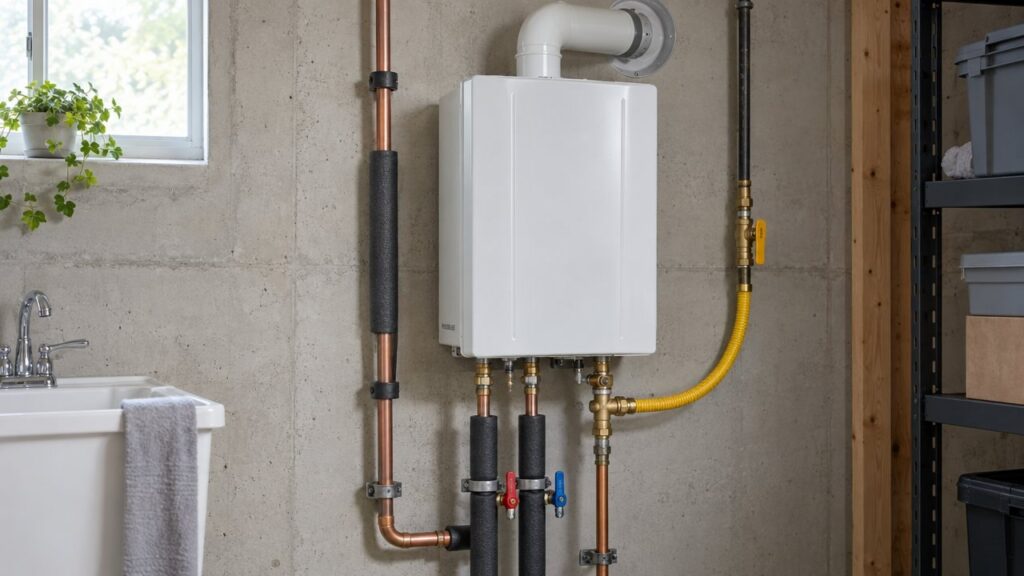
When you turn on a hot water tap, water moves through the unit and it starts to heat. Gas units most often use a burner and a heat exchanger. Electric models use electric heating elements. When you shut off the hot water, the heating stops. Most tankless units for homes do not keep a big tank of hot water ready to use.
That operating method can be efficient, particularly for households with certain usage patterns. But the unit must transfer enough heat to the water flowing through it. The amount it can deliver depends on both flow rate and the temperature rise needed.
Tankless does not automatically mean instant hot water at every fixture. Water still has to travel through the distribution piping. A distant bathroom can take time to receive heated water even when the unit is functioning normally. Any recirculation equipment changes system design, energy use, and installation complexity.
The Most Important Sizing Question: How Much Hot Water at Once?
Some households need hot water at a single fixture most of the time. Others routinely run more than one shower or combine showering with laundry and dishwashing. A tankless heater must be evaluated for the periods when demand overlaps, not merely the total amount of water used in one day.
Understand flow rate
Tankless equipment is commonly rated by the volume of hot water it can produce per minute under specified conditions. A product’s advertised flow rate may be based on a smaller temperature rise than your household experiences in winter.
A useful planning exercise is to list the fixtures likely to run together, such as two showers or a shower and a kitchen faucet. The relevant plumbing professional can estimate their actual flow rates and compare combined demand with the unit’s performance chart. Do not assume all showers, faucets, or appliances use the same volume.
Understand temperature rise
Temperature rise is the gap between how cold the water is when it comes in and how hot you need it to come out. Colder water needs more heat to reach the same set temperature. For example, if water comes in much colder in winter, a unit may serve fewer fixtures well at the same time.
The U.S. Department of Energy’s building science guide says tankless sizing depends on two things. One is the most flow you are likely to need at once. The other is the temperature rise you need. Look at those two together. Don’t pick a model based only on the biggest flow number in its ads.
Avoid treating ‘unlimited hot water’ literally
A unit that is the right size can keep making hot water for a long time, as long as you stay within what it can handle. It cannot give unlimited flow at every temperature rise. If several fixtures need more heat than the unit can give, it may not keep up.
Ask the installer to show how the unit they suggest keeps up with the hot water your home really uses at the same time. Ask how it does when the water coming in is cold, not just in ideal lab conditions.
Gas or Electric Tankless: What Changes?
Both types heat water on demand, but they can have very different installation implications.
Gas-fired tankless systems
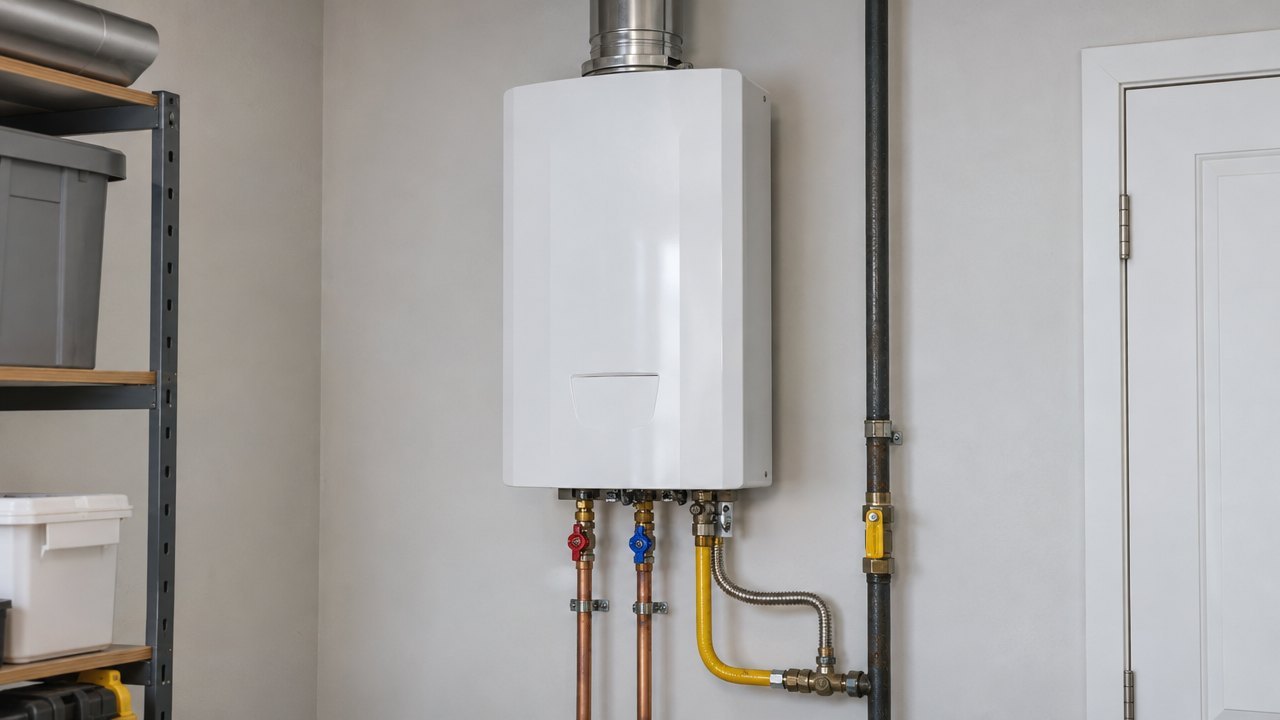
A gas unit must have the right fuel supply, enough air for burning, venting, a way to drain condensate if needed, and a good spot to mount it. The gas line that fed your old tank heater may not be able to feed a new unit. The installer must check the maker’s gas input needs. They must also account for every other gas appliance on the line.
Where the vent and exhaust go also matters. Combustion or exhaust that is set up wrong is a serious safety risk. Work on gas piping, combustion, venting, and related hookups must be done by qualified pros. They must follow the codes that apply and the maker’s instructions.
Electric tankless systems
Electric models can need a lot of power, most of all when they serve the whole home. Someone must check how much your panel can handle, plus your branch circuits, wiring, and service equipment. What looks like a simple swap on the wall can need electrical upgrades. Those can change what the job costs and whether it can be done at all.
An electrician should evaluate these requirements before equipment is purchased. Do not assume that a model will work because the home has an ordinary electric storage water heater today.
What if a home uses propane, a well, or a water treatment system?
These details can change which unit you pick, how it is put in, and the upkeep it needs over time. Well water quality, sediment, minerals, and water pressure may matter for the unit and its heat exchanger. Propane units have their own fuel system needs. A pro’s advice should fit the real water, fuel, and power setup at your home.
Installation Costs: Look Beyond the Unit’s Sticker Price
The purchase price is only one part of a tankless water-heater project. A complete estimate may account for the following items:
- Equipment and manufacturer-required accessories.
- Gas or electrical capacity evaluation and necessary upgrades.
- Venting or exhaust configuration.
- Water-piping modifications and safe isolation valves.
- Mounting and required clearances.
- Condensate handling when applicable.
- Permits, inspection requirements, and testing where required.
- Removal and disposal of the old equipment.
- Service accessibility and future maintenance needs.
Not every job includes all of these, and not every contractor counts them the same way. Two quotes for units that look the same may cover different work. Ask what is included and what is left out. Ask what could change the quote once someone looks at the spot where it will go.
Fuel lines, electric service, unit size, and code rules vary from home to home. So national price averages can be misleading for your home. A check of your own home is more useful than a promise, with nothing to back it up, that the upgrade will cost a set amount.
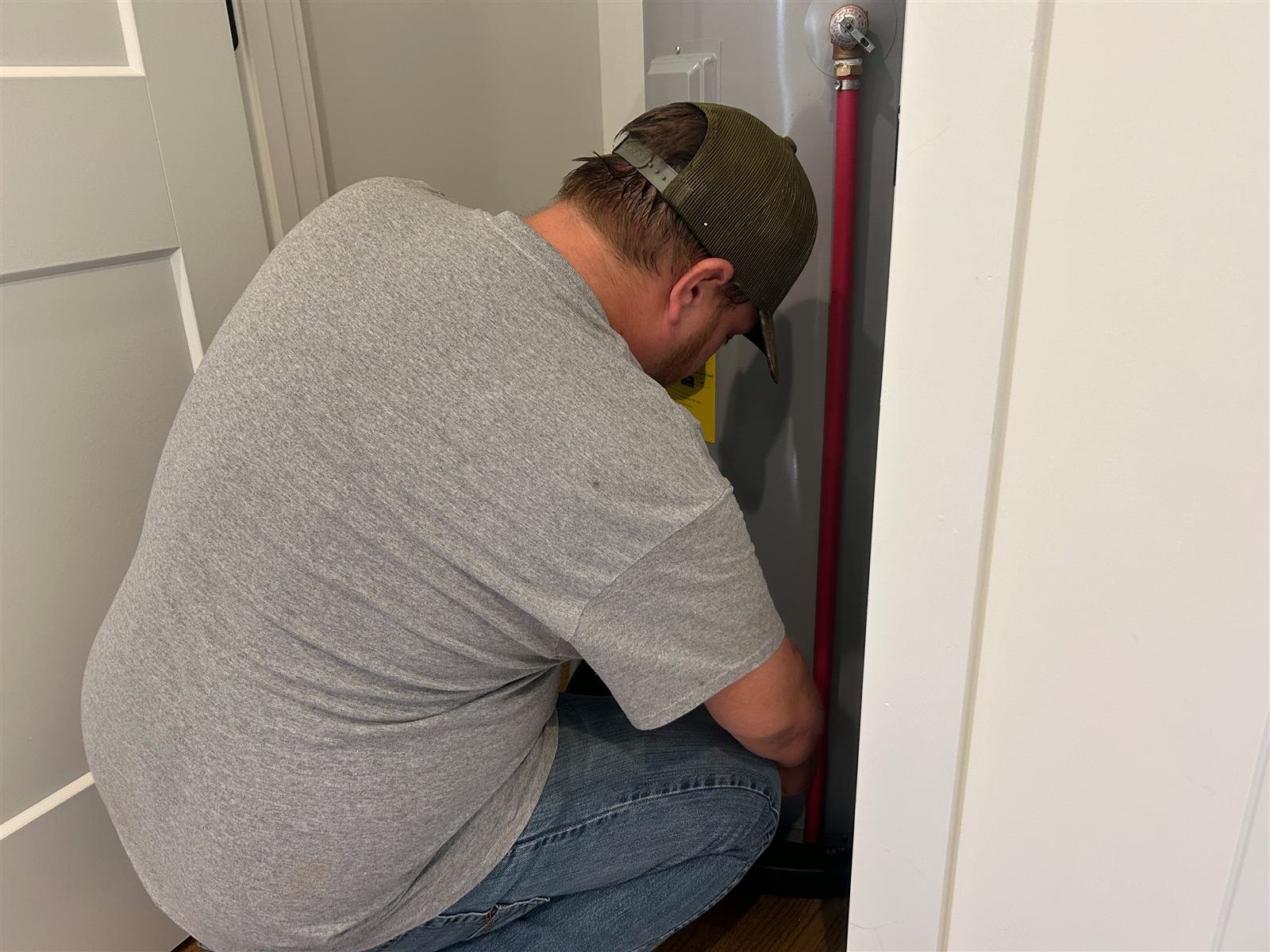
Operating Cost and Efficiency: What to Compare
One reason homeowners look at tankless units is to cut the energy lost when hot water sits in a tank between uses. How much you really save depends on your current system, fuel prices, and how much hot water you use. It also depends on how well the unit heats water, its controls, and the quality of the install.
A gas tankless unit should not automatically be compared with a standard electric tank heater as if both used the same fuel and had the same operating cost. A heat-pump water heater is another distinct option worth considering in some homes. It can have different space, noise, airflow, and installation requirements.
When you compare quotes, ask for the current efficiency ratings for the exact models and the upkeep they will need. Ask how each quote came up with its running costs. If an ad shows one yearly savings number, treat it as an estimate based on certain conditions. It is not a guaranteed result for your home.
What Maintenance Does a Tankless Unit Need?
Tankless does not mean you can skip upkeep. Water that flows through a heat exchanger can leave mineral buildup. How much depends on what is in your water and how the unit runs. Filters, intake screens, condensate parts, combustion parts, and other pieces may need care, based on the type of unit.
Each maker sets its own upkeep schedule. Some call for checks or cleaning that need a trained service tech. A plumber may suggest testing or treating your water, based on your home and the unit.
You can keep an eye on how it runs. Note new error codes, changes in water temperature, odd noises, or times it cuts out. Don’t take on combustion, gas, electrical, or pressurized service inside the unit lightly. Use the maker’s manual and a qualified technician for upkeep needs and to find problems.
Ask each installer how the unit will be serviced after it is put in. Is there enough room to reach it? Can a tech get to the parts without tearing out walls or trim? What upkeep steps from the maker should be written down? These small, practical details matter long after you buy it.
Will a Tankless Water Heater Work for Every Home?
No technology is best for every house. Consider how the household actually uses hot water.
A tankless heater may suit owners who want hot water on demand and have the fuel or power to run a unit of the right size. It may make less sense in three cases. Your home uses a lot of hot water at once. Big gas or power upgrades would be needed. Or your tank heater does the job and costs little to keep up.
Some homes may do better with a different choice. That could be a tank heater of the right size, a heat pump water heater, a recirculation plan, or better fixture flow and pipe layout. The right advice starts with how your home really uses water and the limits of your system.
Questions to Ask Before Choosing a Model
Use this checklist during a professional evaluation:
- What is the expected simultaneous hot-water demand in this home?
- What incoming-water temperature and temperature rise were used for sizing?
- What rated output can the proposed model provide under those conditions?
- Are the existing gas, propane, or electrical supplies sufficient?
- Will installation require new venting, circuits, plumbing, or other modifications?
- What are the manufacturer maintenance requirements for this equipment?
- Does water quality or available service access affect the recommendation?
- What is included in the quote, and which costs are conditional?
- What equipment warranty and workmanship terms are documented?
- How will the system be tested with multiple fixtures after installation?
A clear proposal should answer those questions without requiring a homeowner to understand every technical measurement. It should also identify where a final decision depends on site conditions or inspection findings.
Make the Decision With Complete Information
Buying a tankless unit is really a choice about your whole system. Flow rate and temperature rise decide how well it works. How much fuel or power you have decides if the install makes sense. Upkeep needs and the full size of the job decide if owning it lives up to what you expect.
Putnam Maintenance can discuss water-heating concerns and help identify the appropriate next steps for verified services. Schedule Service through the company’s official booking channel to discuss a professional evaluation before purchasing equipment.