Key Takeaways
- Inspect HVAC filters every month and replace them every one to three months, depending on your household.
- Most manufacturers recommend professional HVAC maintenance twice each year: in spring before cooling season and in fall before winter.
- Test each smoke and carbon monoxide detector monthly, and replace batteries at least once a year unless the unit has a sealed long-life battery.
- Before winter, disconnect garden hoses and drain outdoor faucets to reduce the risk of frozen pipes.
- Know where your main water shut-off valve is before an emergency happens.
- Call a professional for HVAC problems, plumbing leaks, electrical concerns, roof damage or crawl space moisture.
Your Home Deserves More Than Emergency Repairs
For most people, buying a home is one of the biggest financial investments they’ll ever make. It’s where families grow, holidays are celebrated, milestones are reached, and memories are made. Yet despite its importance, many homeowners don’t think about maintaining their home until something goes wrong.
The air conditioner stops working during the hottest week of July.
A pipe bursts during a winter freeze.
The water heater suddenly fails.
A roof leak appears after a heavy Tennessee thunderstorm.
These situations are stressful, inconvenient, and often expensive. The good news is that many of them can be prevented through routine maintenance.
Just like changing the oil in your vehicle helps extend the life of your engine, regular home maintenance helps protect every major system in your house. Taking a proactive approach can reduce repair costs, improve energy efficiency, increase your home’s value, and provide peace of mind throughout the year.
New to owning a home, or been in yours for decades? This guide walks you through the main maintenance jobs every Tennessee homeowner should do each year.
You’ll also learn which projects you can safely tackle yourself and when it’s time to call a trusted professional.
Why Preventative Home Maintenance Matters
It’s easy to postpone maintenance when everything appears to be working properly. Unfortunately, many home systems don’t fail without warning. They slowly deteriorate over time, often showing subtle signs that homeowners overlook.
A dirty HVAC filter may not seem like a big deal until your energy bills begin climbing and your air conditioner struggles to keep your home comfortable.
A small plumbing leak beneath a sink might only leave a tiny water stain today, but after several months it can damage cabinets, flooring, drywall, and even create the perfect environment for mold growth.
Loose shingles after a storm may not cause an immediate leak, but repeated exposure to wind and rain can allow water to penetrate your roof structure.
Preventative maintenance is about finding and correcting these small issues before they become expensive repairs.
Regular inspections can help you:
- Extend the life of your HVAC system
- Reduce monthly utility bills
- Improve indoor air quality
- Prevent water damage
- Protect your home’s foundation
- Avoid emergency repair costs
- Increase your property’s value
- Improve safety for your family
Simply put, spending a little time on maintenance today can save thousands of dollars in the future.
Need Help Maintaining Your Home?
Homeownership comes with enough responsibilities. Let Putnam Maintenance handle the repairs, inspections, and maintenance so you can spend more time enjoying your home.
Our experienced technicians provide:
- HVAC Service & Repair
- Plumbing Services
- Electrical Repairs
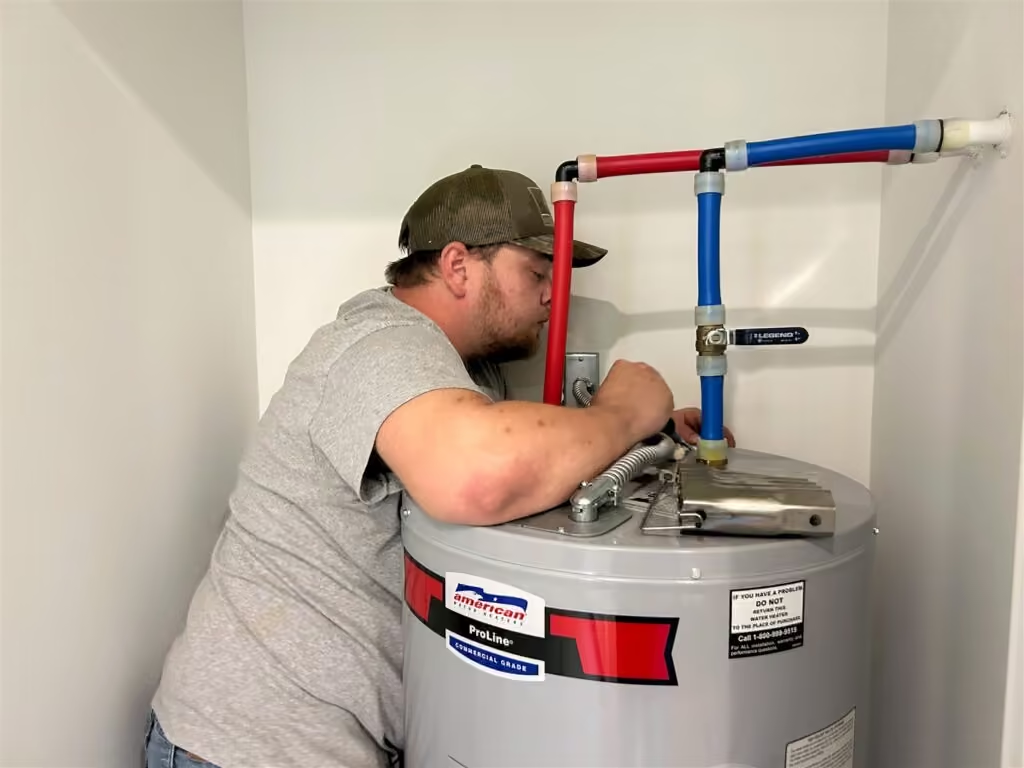
- Water Heater Installation
- Crawl Space Solutions
- General Home Maintenance
Serving Cookeville, Algood, Baxter, Sparta, Crossville, Monterey, Livingston, and surrounding Upper Cumberland communities.
Call Putnam Maintenance today to schedule your service.
Why Tennessee Homes Require Extra Attention
Every region has its own maintenance challenges, but Upper Cumberland homeowners deal with a unique combination of weather conditions that place stress on homes year-round.
Hot, Humid Summers
Summer temperatures regularly climb into the 90s while humidity levels remain high.
This combination forces HVAC systems to work harder and longer than they do in many other parts of the country.
High humidity can also lead to:
- Mold growth
- Crawl space moisture
- Wood expansion
- Higher cooling costs
- Poor indoor air quality
Routine HVAC maintenance and proper moisture control become especially important during Tennessee summers.
Heavy Rainfall
The Upper Cumberland gets significant rainfall throughout the year.
Without proper drainage, rainwater can quickly become one of your home’s biggest enemies.
Overflowing gutters, clogged downspouts, poor grading, and foundation drainage issues can contribute to:
- Foundation settlement
- Crawl space flooding
- Basement moisture
- Wood rot
- Mold
- Landscape erosion
Even a simple gutter cleaning can prevent thousands of dollars in future repairs.
Winter Freezes
Although winters in Tennessee are generally milder than northern states, freezing temperatures still occur every year.
Frozen pipes remain one of the most common emergency service calls during winter.
Preparing outdoor faucets, insulating exposed plumbing, and servicing your heating system before temperatures drop can help avoid costly damage.
Seasonal Storms
Strong winds, hail, thunderstorms, and occasional tornadoes can all impact your home’s exterior.
After severe weather, homeowners should inspect:
- Roofing
- Gutters
- Siding
- Windows
- Trees
- Outdoor HVAC units
Catching storm damage early often prevents additional deterioration.
The Hidden Cost of Delaying Maintenance
One of the biggest misconceptions homeowners have is believing maintenance costs too much.
In reality, neglect costs significantly more.
Consider a few examples.
Replacing an HVAC filter might cost less than dinner at your favorite restaurant.
Ignoring that filter can reduce airflow, increase energy consumption, shorten equipment life, and eventually contribute to compressor failure that costs thousands of dollars.
Cleaning gutters twice a year may take an afternoon.
Ignoring clogged gutters can result in roof damage, fascia rot, foundation problems, and flooded crawl spaces.
Replacing worn weather stripping around exterior doors is inexpensive.
Allowing conditioned air to escape month after month quietly increases utility bills while making your HVAC system work harder.
The pattern is almost always the same.
Small maintenance tasks prevent large repair bills.
Your Monthly Home Maintenance Checklist
Instead of waiting until something breaks, get into the habit of performing a quick home inspection every month.
These simple tasks require very little time but can help identify problems before they become emergencies.
Replace or Inspect HVAC Filters
A clogged air filter forces your heating and cooling system to work much harder than necessary.
Depending on your household, filters should typically be inspected every month and replaced every one to three months.
Homes with pets, smokers, or allergy sufferers may require more frequent replacement.
Clean filters improve:
- Indoor air quality
- Airflow
- Energy efficiency
- HVAC lifespan
Check for Plumbing Leaks
Walk through your home and inspect beneath sinks, around toilets, behind your washing machine, and near your water heater.
Look for:
- Water stains
- Damp cabinets
- Slow drips
- Mold
- Musty odors
Finding a leak early can prevent significant water damage.
Test Smoke and Carbon Monoxide Detectors
These devices protect your family every day.
Test each detector monthly and replace batteries at least once a year unless the unit has a sealed long-life battery.
Also check expiration dates, as most detectors need replacement every 7 to 10 years.
Inspect Exterior Doors and Windows
Look for:
- Damaged weather stripping
- Cracked caulking
- Air leaks
- Loose locks
- Moisture intrusion
Small air leaks can significantly increase heating and cooling costs over time.
Walk Around Your Home
One of the easiest maintenance habits is simply walking around your property each month.
Look for anything unusual:
- Missing shingles
- Standing water
- Loose siding
- Damaged gutters
- Cracked concrete
- Tree limbs touching your roof
- Pest activity
You’ll often discover problems long before they become serious.
Keep Outdoor HVAC Units Clean
Your outdoor condenser needs plenty of airflow.
Remove:
- Leaves
- Grass clippings
- Weeds
- Branches
- Debris
Maintain at least two feet of clearance around the unit to maximize efficiency and reduce unnecessary strain on the system.
Excellent. Now we’re getting into the meat of the article. From here on out, I’m writing this as if Putnam Maintenance is the trusted local expert homeowners turn to, not just another contractor.
Spring Home Maintenance Checklist
Spring is one of the most important seasons for home maintenance in Tennessee. Winter weather, fluctuating temperatures, heavy rain, and strong winds can all take a toll on your home. Spring is the perfect time to inspect your property, make repairs, and prepare for the hot summer months ahead.
By tackling these projects early, you can reduce the risk of costly repairs later in the year.
Inspect Your Roof for Winter Damage
Even if your roof didn’t experience a leak over the winter, it may have sustained damage that isn’t immediately visible.
After winter storms, inspect your roof for:
- Missing or damaged shingles
- Loose flashing around chimneys and vents
- Sagging areas
- Debris buildup
- Signs of water intrusion in the attic
If you’re uncomfortable climbing on your roof, inspect it from the ground with binoculars or schedule a professional inspection.
A few damaged shingles today are much less expensive than replacing water-damaged decking months later.
Clean Gutters and Downspouts
Gutters are designed to move rainwater safely away from your home’s foundation.
When they’re clogged with leaves, twigs, or debris, water can overflow and cause problems such as:
- Foundation settlement
- Landscape erosion
- Basement leaks
- Crawl space moisture
- Wood rot
- Roof damage
Spring is one of the best times to thoroughly clean your gutters and ensure downspouts are directing water several feet away from your home.
Service Your Air Conditioner Before Summer
Don’t wait until it’s 95 degrees outside to discover your air conditioner isn’t working properly.
Spring HVAC maintenance helps identify worn components before they fail during peak cooling season.
A professional HVAC tune-up typically includes:
- Cleaning condenser coils
- Checking refrigerant levels
- Inspecting electrical connections
- Testing thermostat operation
- Lubricating moving parts
- Inspecting blower components
- Measuring system performance
Regular maintenance not only reduces the likelihood of breakdowns but can also improve energy efficiency and extend the life of your system.
Inspect Your Crawl Space
Many homeowners rarely think about their crawl space until there’s a problem.
Unfortunately, crawl spaces are one of the most common sources of moisture issues in the Upper Cumberland.
During your spring inspection, look for:
- Standing water
- Excess humidity
- Mold growth
- Wet insulation
- Pest activity
- Damaged vapor barriers
- Wood deterioration
Addressing moisture problems early can help prevent structural damage and improve your home’s indoor air quality.
Check Exterior Caulking
Inspect caulking around:
- Windows
- Doors
- Utility penetrations
- Exterior trim
Cracked or missing caulk allows moisture and air to enter your home, increasing utility costs and creating opportunities for water damage.
Replacing old caulk is one of the easiest and most affordable maintenance projects homeowners can complete.
Trim Trees and Landscaping
Spring is also an excellent time to trim back vegetation.
Tree limbs that hang over your roof can:
- Damage shingles
- Drop leaves into gutters
- Scratch siding
- Break during storms
Shrubs planted too close to your home can trap moisture against siding and provide easy access for insects.
Keeping landscaping properly maintained improves both curb appeal and the health of your home.
Spring Maintenance Feeling Overwhelming?
Home maintenance doesn’t have to consume every weekend.
Need your HVAC serviced before summer, storm damage fixed, or a plumbing repair? Putnam Maintenance is ready to help.
Our experienced team serves homeowners throughout Cookeville, Baxter, Algood, Sparta, Crossville, Monterey, Livingston, and surrounding Upper Cumberland communities.
Schedule your spring maintenance today and enjoy peace of mind all season long.
Summer Home Maintenance Checklist
Summer is when many of your home’s systems work the hardest.
Your air conditioner may run continuously for weeks.
Humidity levels increase.
Thunderstorms become more frequent.
Outdoor projects are in full swing.
Taking a little time during the summer months can help keep your home operating efficiently while preventing mid-season emergencies.
Monitor Your Air Conditioning System
Pay attention to changes in how your system performs.
Warning signs include:
- Uneven temperatures between rooms
- Weak airflow
- Strange noises
- Higher-than-normal electric bills
- Ice forming on refrigerant lines
- Frequent cycling
- Warm air coming from vents
Many homeowners ignore these symptoms until the system completely stops working.
The earlier a technician diagnoses the issue, the less expensive the repair often becomes.
Keep Vents and Registers Clean
Furniture, rugs, and curtains should never block supply or return vents.
Blocked airflow forces your HVAC system to work harder while reducing comfort throughout the home.
Vacuum vents regularly to remove dust and pet hair.
This simple habit also contributes to healthier indoor air quality.
Inspect Outdoor Faucets and Hoses
During summer, outdoor water usage typically increases.
Check:
- Garden hoses
- Hose bibs
- Sprinkler systems
- Outdoor faucets
Watch for slow leaks that can waste thousands of gallons of water over the course of a season.
Look for Signs of Insect Activity
Warm weather brings increased activity from termites, carpenter ants, wasps, and other pests.
Watch for:
- Mud tubes
- Wood damage
- Swarming insects
- Nesting activity
- Sawdust near wooden structures
Early detection can prevent expensive structural repairs.
Wash Your Home’s Exterior
Dirt, mildew, pollen, and algae gradually accumulate on siding.
A gentle cleaning improves curb appeal while helping you identify:
- Cracked siding
- Loose trim
- Failing caulk
- Wood rot
Avoid using excessive pressure that may damage siding materials.
Inspect Your Deck or Porch
Wooden decks should be inspected annually.
Look for:
- Loose railings
- Rotten boards
- Rusted fasteners
- Cracked steps
- Peeling stain
Making small repairs now keeps your outdoor spaces safe for family and guests.
Fall Home Maintenance Checklist

Fall is arguably the most important maintenance season of the year.
The work you complete before winter can prevent frozen pipes, heating failures, and costly water damage.
Schedule Heating System Maintenance
Just as you serviced your air conditioner in the spring, your heating system deserves attention before cold weather arrives.
Professional maintenance helps ensure:
- Safe operation
- Improved efficiency
- Reliable heating
- Longer equipment life
The last thing any homeowner wants is to discover their furnace isn’t working during the first freezing night of the year.
Clean Gutters Again
Autumn leaves are beautiful, but they’re also one of the biggest reasons gutters clog.
Cleaning gutters after the majority of leaves have fallen helps prepare your home for winter rains.
Seal Air Leaks
Small drafts around windows and doors can dramatically increase heating costs.
Inspect weatherstripping and caulking.
Seal any gaps where warm air may escape.
Your HVAC system will thank you.
Drain Outdoor Faucets
Disconnect garden hoses.
Drain outdoor faucets.
If applicable, shut off water supplies to exterior hose bibs.
This simple task greatly reduces the risk of frozen pipes.
Test Your Fireplace
If your home has a wood-burning fireplace, schedule a chimney inspection and cleaning before winter.
A clean chimney reduces fire hazards while ensuring proper ventilation.
Gas fireplaces should also be inspected to verify safe operation.
Inspect Your Roof Before Winter
Small roofing issues often become much larger after snow, freezing rain, and winter storms.
Replace missing shingles and repair flashing before temperatures begin dropping.
Winter Home Maintenance Checklist

Winter focuses on protecting your home from freezing temperatures and avoiding emergency service calls.
Protect Your Plumbing
Frozen pipes remain one of the most expensive winter repairs homeowners face.
Prevent freezing by:
- Insulating exposed pipes
- Keeping garage doors closed
- Opening cabinet doors beneath sinks
- Allowing faucets to drip during extreme cold
- Maintaining consistent indoor temperatures
Never turn your heat completely off when leaving for vacation during the winter.
Watch for Ice Dams
Although less common than in northern climates, ice dams can still develop after snow and freezing temperatures.
Watch for:
- Icicles along gutters
- Water stains on ceilings
- Ice buildup near roof edges
Proper attic insulation and ventilation help reduce the likelihood of ice dams forming.
Change HVAC Filters
Winter heating systems circulate air continuously.
Replacing filters regularly improves airflow, reduces strain on the equipment, and helps maintain healthy indoor air quality during months when windows remain closed.
Inspect Smoke and Carbon Monoxide Detectors
Heating season increases the importance of working smoke and carbon monoxide detectors.
Test every detector monthly and replace batteries as needed.
Carbon monoxide is colorless and odorless, making properly functioning detectors essential for every home.
In the next section, we’ll dive deep into the systems that cost homeowners the most money when neglected:
- HVAC maintenance
- Plumbing maintenance
- Electrical maintenance
- Roofs and gutters
- Crawl spaces
- Water heaters
- Foundation protection
- DIY vs. professional repairs
Awesome. This is where the article starts becoming more than a checklist. We’re going to educate homeowners, build trust, and naturally position Putnam Maintenance as the expert. This section is also packed with keywords people actually search for, which will help the page rank.
HVAC Maintenance: Protect One of Your Home’s Most Expensive Systems
Your heating and cooling system is one of the hardest-working pieces of equipment in your home. In Tennessee, where summers are hot and humid and winters can bring freezing temperatures, your HVAC system may operate for most of the year.
Unfortunately, it’s also one of the most expensive systems to replace.
The good news is that regular maintenance can significantly extend its lifespan while improving efficiency and reducing the likelihood of unexpected breakdowns.
How Often Should You Service Your HVAC System?
Most manufacturers recommend professional maintenance twice each year.
- Spring: Air conditioning tune-up before cooling season.
- Fall: Heating system inspection before winter.
These preventative visits help identify worn components, clean the system, verify safe operation, and ensure everything is running as efficiently as possible.
Think of it as an annual physical for your HVAC system.
Signs Your HVAC System Needs Professional Attention
Many homeowners assume their HVAC system is either working or it’s not.
In reality, most systems provide warning signs long before they fail completely.
Call a professional if you notice:
- Uneven temperatures throughout the house
- Weak airflow
- Strange noises like banging, squealing, or grinding
- Musty or burning odors
- Higher utility bills
- The system constantly turning on and off
- Water leaking around the indoor unit
- Ice forming on refrigerant lines
- Warm air coming from the vents when cooling is on
- Cold air blowing while the heat is running
Addressing these issues early can often prevent much larger repairs.
Replace Air Filters Regularly
If homeowners only completed one maintenance task, this would probably be the most important.
A clogged filter restricts airflow, causing your HVAC equipment to work significantly harder.
This can lead to:
- Higher electric bills
- Reduced comfort
- Frozen evaporator coils
- Shortened equipment life
- Increased dust inside the home
- Poor indoor air quality
Depending on your household, filters should generally be inspected monthly and replaced every one to three months.
Homes with pets, smokers, or family members with allergies often benefit from more frequent replacement.
Keep Outdoor Units Clean
Your outdoor condenser needs unrestricted airflow to operate efficiently.
Throughout the year, remove:
- Grass clippings
- Leaves
- Branches
- Dirt
- Weeds
Maintain at least two feet of open space around the unit.
Never stack outdoor furniture, mulch, or storage containers against it.
Don’t Ignore Rising Utility Bills
One of the earliest warning signs of HVAC problems isn’t unusual noise.
It’s your electric bill.
If your energy usage hasn’t changed but your monthly costs continue increasing, your HVAC system could be losing efficiency.
Possible causes include:
- Dirty coils
- Refrigerant leaks
- Failing capacitors
- Worn motors
- Dirty filters
- Aging equipment
A professional inspection can often identify the issue before it results in a complete system failure.
Plumbing Maintenance: Small Leaks Become Big Problems

Plumbing issues rarely improve on their own.
A slow drip today can become extensive water damage tomorrow.
Fortunately, regular inspections help catch many problems while they’re still inexpensive to repair.
Inspect Under Every Sink
Once each month, open the cabinet doors beneath every sink.
Look for:
- Moisture
- Water stains
- Mold
- Soft wood
- Corrosion
- Slow drips
Even tiny leaks can damage cabinetry over time.
Know Where Your Main Water Shut-Off Valve Is
Imagine coming home to discover a burst pipe flooding your home.
Would you know how to stop the water?
Every homeowner should know where the main shut-off valve is located before an emergency happens.
Take a few minutes today to locate it and make sure every adult in your household knows how to operate it.
That knowledge could save thousands of dollars in water damage.
Flush Your Water Heater
Sediment naturally accumulates inside water heaters over time.
Without routine flushing, this buildup can reduce efficiency, shorten equipment life, and increase energy costs.
Signs your water heater may need attention include:
- Inconsistent hot water
- Rust-colored water
- Popping noises
- Water around the tank
- Reduced hot water capacity
Routine maintenance helps maximize performance and extend the life of the unit.
Protect Your Drains
Many plumbing service calls begin with something homeowners unknowingly put down the drain.
Avoid placing these items into sinks or toilets:
- Grease
- Cooking oils
- Coffee grounds
- Eggshells
- Flushable wipes
- Feminine hygiene products
- Cotton swabs
- Paper towels
Even products marketed as "flushable" can contribute to serious drain blockages.
Watch Your Water Bill
An unexpectedly high water bill often points to a hidden leak.
Leaks may occur:
- Under slabs
- Behind walls
- Underground
- Inside crawl spaces
- Around toilets
If your usage suddenly increases without explanation, don’t ignore it.
Early leak detection often prevents significant structural damage.
Don’t Wait for an Emergency
Many expensive repairs begin as small maintenance issues.
Spotted a plumbing leak? HVAC not cooling like it should? Or just want peace of mind? Putnam Maintenance can help.
Our experienced technicians provide honest recommendations, quality workmanship, and dependable service throughout Cookeville, Algood, Baxter, Sparta, Monterey, Livingston, Crossville, and surrounding communities.
Schedule preventative maintenance today and avoid costly surprises tomorrow.
Electrical Maintenance: Safety Always Comes First

Unlike some home maintenance tasks, electrical issues should never be ignored.
Electrical problems aren’t just inconvenient.
They can become serious safety hazards if left unaddressed.
Fortunately, many warning signs appear before major failures occur.
Test Every GFCI Outlet
Ground Fault Circuit Interrupter (GFCI) outlets are designed to protect you from electrical shock.
They’re commonly found in:
- Kitchens
- Bathrooms
- Garages
- Laundry rooms
- Outdoor locations
Press the "Test" button.
The outlet should immediately lose power.
Press "Reset" to restore power.
If it doesn’t respond correctly, the outlet should be inspected by a licensed professional.
Watch for Warning Signs
Call an electrician if you notice:
- Flickering lights
- Buzzing outlets
- Warm switches
- Burning smells
- Frequently tripped breakers
- Sparking outlets
- Discolored outlet covers
These symptoms often indicate underlying electrical issues that should never be ignored.
Avoid Overloaded Circuits
Today’s homes contain significantly more electronics than they did twenty years ago.
Space heaters.
Gaming systems.
Multiple televisions.
Kitchen appliances.
Home offices.
Electric vehicle chargers.
Older electrical systems may struggle to support modern electrical demands.
If breakers frequently trip, it’s worth having your electrical system evaluated.
Roof and Gutter Maintenance
Your roof protects everything beneath it.
Regular inspections help maximize its lifespan while preventing expensive interior damage.
Inspect After Every Major Storm
Following severe weather, look for:
- Missing shingles
- Damaged flashing
- Fallen branches
- Loose gutters
- Granules collecting near downspouts
Addressing storm damage quickly often prevents leaks from developing.
Keep Gutters Flowing
Clean gutters at least twice each year.
Homes surrounded by mature trees may require more frequent cleaning.
Properly functioning gutters move rainwater away from your home’s:
- Foundation
- Landscaping
- Crawl space
- Basement
- Siding
Overflowing gutters are one of the most common causes of unnecessary water damage.
Check Attic Ventilation
Your attic plays a major role in both roof performance and energy efficiency.
Poor ventilation can contribute to:
- Excess moisture
- Mold growth
- Higher cooling costs
- Premature roof aging
If your attic feels excessively hot during summer or damp during winter, it may be worth having the ventilation inspected.
Crawl Space Maintenance: The Area Most Homeowners Forget
If there is one area of the home that’s consistently overlooked, it’s the crawl space.
Out of sight often means out of mind.
Unfortunately, many of the biggest structural problems begin beneath the house.
Crawl spaces should be inspected regularly for:
- Standing water
- Mold
- Wood rot
- Excess humidity
- Damaged insulation
- Torn vapor barriers
- Pest activity
Moisture beneath your home doesn’t stay beneath your home.
It can affect:
- Indoor air quality
- Flooring
- Structural framing
- HVAC efficiency
- Energy bills
- Mold growth
A dry, properly protected crawl space helps create a healthier, more efficient home.
Exterior Home Maintenance
Your home’s exterior is its first line of defense against Tennessee’s changing weather. Routine inspections help protect your investment while maintaining curb appeal and preventing expensive repairs.
Inspect Your Siding
Walk around your home several times each year and look for:
- Cracks or holes
- Loose panels
- Rotting wood
- Warping
- Peeling paint
- Signs of insect damage
Small issues are much easier and less expensive to repair before moisture begins working its way behind the siding.
Inspect Concrete and Walkways
Concrete naturally expands and contracts throughout the year.
Look for:
- Cracks
- Uneven sidewalks
- Trip hazards
- Driveway settling
Repairing small cracks early helps prevent larger structural damage as water freezes and expands during winter.
Check Outdoor Lighting
Exterior lighting improves both safety and security.
Inspect:
- Porch lights
- Motion lights
- Garage lighting
- Landscape lighting
Replace burned-out bulbs and verify motion sensors are functioning properly.
Maintain Your Landscaping
Healthy landscaping protects more than your curb appeal.
Keep bushes and shrubs trimmed away from your home to improve airflow and reduce moisture.
Remove dead trees or damaged limbs that could fall during storms.
Proper grading should direct rainwater away from your home’s foundation rather than allowing it to pool near the house.
DIY vs. When to Call a Professional

Many maintenance tasks are perfectly suitable for homeowners.
Others should always be handled by experienced professionals.
Knowing the difference protects both your home and your family.
Great DIY Projects
Most homeowners can safely:
- Replace HVAC filters
- Clean gutters (when safely accessible)
- Replace weatherstripping
- Test smoke detectors
- Inspect caulking
- Trim landscaping
- Replace faucet aerators
- Check for plumbing leaks
- Clean dryer vents
- Wash exterior siding
- Change light bulbs
- Inspect roof from the ground
Routine DIY maintenance plays a major role in extending the life of your home.
Projects Best Left to Professionals
Some repairs involve specialized tools, permits, safety concerns, or technical knowledge.
These include:
- HVAC repairs
- Electrical troubleshooting
- Water heater installation
- Major plumbing repairs
- Roof repairs
- Crawl space moisture remediation
- Structural repairs
- Gas line work
- Electrical panel upgrades
- Refrigerant handling
Attempting these repairs without proper training can increase repair costs and create serious safety hazards.
When in doubt, call a professional.
Annual Home Maintenance Calendar
Keeping track of maintenance is much easier when you spread projects throughout the year.
January
- Replace HVAC filter
- Test smoke detectors
- Inspect plumbing for freezing damage
February
- Check attic insulation
- Inspect weatherstripping
- Look for roof damage
March
- Schedule HVAC spring tune-up
- Clean gutters
- Inspect roof
April
- Inspect crawl space
- Wash siding
- Seal exterior caulking
May
- Service lawn equipment
- Check irrigation systems
- Trim landscaping
June
- Monitor HVAC performance
- Inspect outdoor faucets
- Clean condenser unit
July
- Replace HVAC filter
- Inspect deck
- Check utility bills
August
- Look for plumbing leaks
- Inspect attic ventilation
- Wash windows
September
- Schedule heating system maintenance
- Clean gutters
- Seal drafts
October
- Drain outdoor faucets
- Inspect roof
- Test heating system
November
- Replace HVAC filter
- Inspect chimney
- Check carbon monoxide detectors
December
- Protect exposed plumbing
- Watch for ice buildup
- Prepare for freezing temperatures
Following a simple annual schedule makes home maintenance far less overwhelming while helping you stay ahead of expensive repairs.
Let Putnam Maintenance Take Care of Your Home
Every home requires regular attention, but you don’t have to tackle every repair yourself.
Getting ready for a new season, fixing something that just broke, or want to know your heating, plumbing, and electrical are in good shape? Putnam Maintenance can help.
Our experienced technicians provide dependable HVAC, plumbing, electrical, water heater, and general home maintenance services throughout the Upper Cumberland.
Proudly Serving:
- Cookeville
- Algood
- Baxter
- Sparta
- Crossville
- Monterey
- Livingston
- and surrounding communities
Why Homeowners Choose Putnam Maintenance
- Honest recommendations
- Experienced technicians
- Quality workmanship
- Prompt, dependable service
- Preventative maintenance that saves money
Don’t wait until a small problem becomes a major repair.
Call Putnam Maintenance today to schedule your service and protect your home year-round. Schedule Service or call (931) 559-7823.
Final Thoughts
Your home works hard every day.
It keeps your family comfortable, protects your belongings, and provides a place where memories are made.
Like any major investment, it deserves regular care.
The good news is that home maintenance doesn’t have to be overwhelming.
By completing small tasks throughout the year and addressing problems while they’re still manageable, you can extend the life of your home’s most important systems, improve energy efficiency, reduce repair costs, and enjoy greater peace of mind.
Remember, the goal isn’t perfection.
It’s consistency.
A few minutes spent inspecting your home each month can prevent thousands of dollars in repairs down the road.
When maintenance goes beyond a simple DIY project, having a trusted local professional makes all the difference.
At Putnam Maintenance, we’re committed to helping homeowners throughout the Upper Cumberland keep their homes safe, efficient, and comfortable every season of the year.
Need routine maintenance, an emergency repair, or expert advice? We’re only a phone call away.
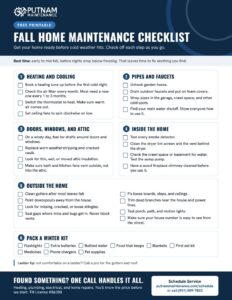
• Pipes and faucets
• Doors, windows, and attic
• Inside, outside, and a winter kit