Key Takeaways
- Check under sinks, around toilets, and at visible appliance connections once a month or while cleaning to catch small changes early.
- Wastewater backing up through several fixtures deserves more urgent attention than a single slow sink, because it can signal a larger drain problem.
- Keep grease, wipes, and other solids out of your drains, and avoid harsh chemical drain products on an uncertain blockage.
- If water is actively spreading, keep away from electrical hazards and use an accessible shutoff only if it’s safe and you know what it controls.
A home’s plumbing system does more than deliver water to the kitchen sink. It supplies showers, washing machines, toilets, outdoor faucets, and water-heating equipment, then carries wastewater safely out of the building. Most of those pipes stay out of sight. That is convenient until something goes wrong.
Good plumbing maintenance starts with noticing small changes. Maybe a faucet drips after you turn it off. Maybe a drain empties slower than it used to, a cabinet floor feels damp, or the water heater can’t keep up. None of these signs points to one single cause. But each one gives you clues. They can help you decide what you can safely check and when to have a pro find the cause.
The most useful approach is simple: check the fixtures and connections you can see often. Deal with active leaks right away. Protect at-risk pipes in cold weather. Ask a plumber to look into problems that keep coming back or have no clear cause. The goal is not to turn you into a plumber. It’s to help you spot problems before they cause damage you could have avoided.
How a Residential Plumbing System Works
A typical home has three closely related systems. Understanding which one is affected can make a service visit more productive.
Water supply lines
Supply pipes bring water under pressure into the home and send it to fixtures and appliances. Some homes get water from a utility. Others use private wells. A pressure problem at one faucet may point to that fixture or the line right next to it. Weak pressure all over the house points to other causes. These include the main supply, pressure-control equipment, or something limiting flow somewhere else in the system.
Cold-water lines feed fixtures directly and supply water heaters. Hot-water piping distributes heated water to taps and appliances. Temperature problems may originate with the heater, a mixing valve, a particular fixture, or how much hot water the household is using at one time.
Drains, waste lines, and venting
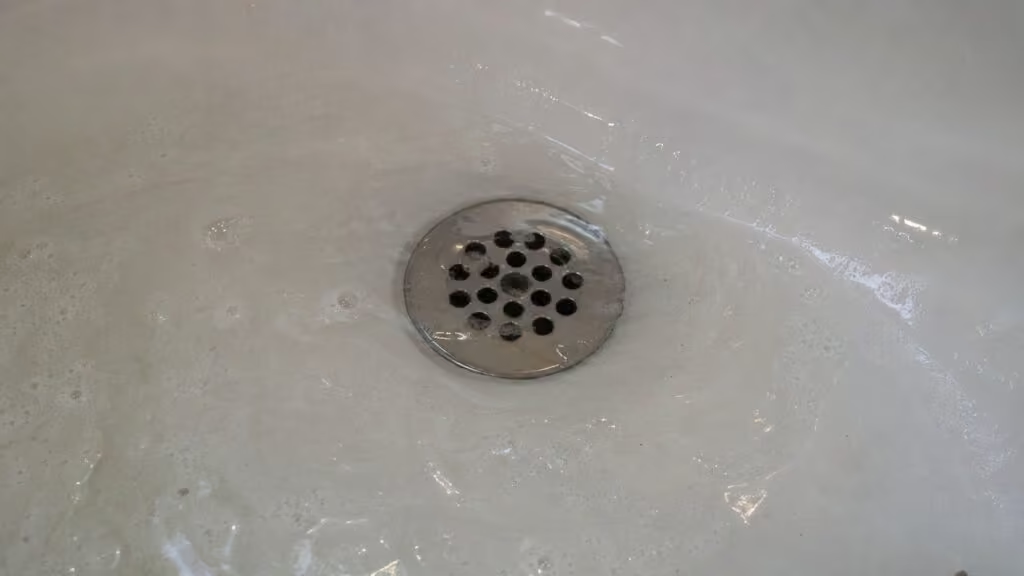
After you use water, drain pipes carry it away. Plumbing vents help the system work by letting air move and keeping the pressure right. Slow drains, gurgling, bad smells, or backups can have different causes. It might be buildup near the fixture, a venting problem, or trouble farther down the drain line.
A clog in one bathroom sink is not the same as wastewater backing up through several fixtures. The second one needs faster attention. It can mean a problem in a bigger part of the drain system.
Water-heating equipment
Storage-tank, tankless, electric, gas, and heat-pump water heaters each work in their own way and need different upkeep. A tank stores a supply of hot water. A tankless unit heats water as it flows through, but only up to a set flow rate. Both types still need checkups, safe installation, and the right maintenance.
Before you make a choice about a water heater, learn a few facts. Note its fuel type, rough age, and make and model. Also think about how much hot water your household uses. Those facts help more than assuming every loss of hot water means you need a new unit.
Seven Plumbing Warning Signs Worth Paying Attention To
The following symptoms are useful because they can indicate developing trouble even when the system still works.
1. Water appears where it does not belong
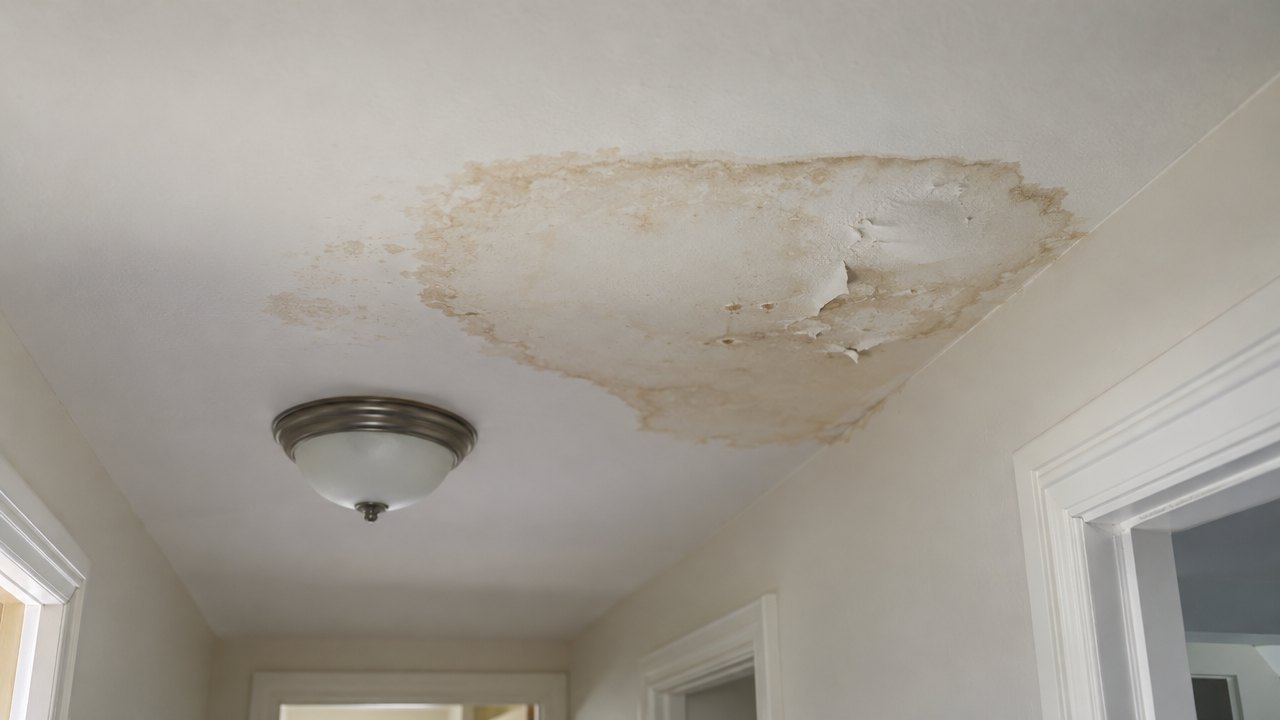
Damp flooring around a toilet, moisture under a sink, stains on a wall or ceiling, and puddles with no clear cause are all worth checking. Sometimes the problem is a loose or worn connection you can see. Other times the source is hidden, and the water travels before it shows up.
Do not assume a stain is old simply because it feels dry when checked. Look for changes after fixture use and note whether the area is growing. If there is active leakage, consider using a safe, accessible shutoff to limit damage. When water is near outlets, appliances, or energized equipment, avoid the area and obtain qualified assistance.
2. Water use rises without a clear explanation
A change in how your household uses water can raise the bill. So can a hidden leak or a toilet that runs on and off. The U.S. Environmental Protection Agency’s WaterSense program recommends one way to look for a possible leak. Check whether your water meter moves during a time when no water is being used.
A meter test cannot tell you which pipe or fixture is leaking. It can help establish whether additional investigation is justified. If the home has an irrigation system or a water softener, account for their operating cycles before drawing conclusions.
3. A drain repeatedly slows down or backs up
A single slow drain may involve material close to the fixture. When the same fixture clogs repeatedly, several drains act up together, or sewage appears where it should not, the problem may be more extensive.
Don’t pour harsh chemical drain cleaners into a clog you aren’t sure about. This matters most when water is already standing in the fixture. Chemicals can be dangerous to handle and can make the repair harder later. A plumber can tell whether clearing the nearby clog is enough or whether another part of the drain system needs a look.
4. Water pressure changes noticeably
Low pressure at one faucet can have a different cause from weak pressure at every tap. Compare hot and cold water at the affected fixture and notice whether nearby fixtures behave normally. These observations provide useful clues without dismantling plumbing.
Sudden or whole-house changes should be checked by a pro. So should leaks or odd sounds. Pressure that is too high can also damage plumbing parts. A plumber can check the system and any pressure-control devices when needed.
5. The water heater behaves differently
Warning signs can include less hot water, uneven temperature, repeated shutdowns, new noises, visible corrosion, or moisture near the unit. What they mean depends on the type of heater. For example, a tankless unit that can’t keep up with the flow is not the same as a failing tank. An electrical control problem is not the same as a plumbing leak.
Do not remove covers, bypass safety controls, adjust gas parts, or try electrical repairs. If the heater is leaking now or seems unsafe, follow the maker’s guidance and get qualified help.
6. Fixtures make unfamiliar noises
Banging pipes, persistent gurgling, whistling, or other changes can have several explanations. Some relate to how water moves through valves or drains. Others involve system pressure, an obstruction, or a worn component.
Make a note of when the sound occurs: after a washing machine fills, when a particular toilet flushes, or when multiple fixtures run. A consistent pattern helps a plumber narrow the investigation.
7. A problem returns after a temporary fix
Repeatedly plunging a toilet, tightening the same connection, or cleaning a slow drain without a lasting improvement may be masking the real problem. Recurrence matters. It tells you the symptom has not been fully explained, even if normal function returns for a while.
Home Plumbing Maintenance: What Homeowners Can Check Safely
Plumbing maintenance does not require taking apart walls or opening pressurized fittings. A regular visual inspection catches many of the most practical warning signs.
Once a month, or when cleaning the area:
- Look under sinks for moisture, stains, swelling, or unusual smells.
- Notice whether toilets run after the flush cycle has finished.
- Watch for drips from faucets and showerheads.
- Check whether commonly used drains empty normally.
- Look around visible appliance connections for moisture, without moving heavy equipment or disconnecting hoses.
- Review unexplained changes in water use when a meter or usage report is available.
Seasonally:
- Inspect accessible outdoor faucets and hose connections for drips or damage.
- Prepare exposed or unheated plumbing for winter according to the house and equipment involved.
- Check for moisture in accessible crawlspaces, utility rooms, and other areas where plumbing is visible. Do not enter unsafe confined or water-damaged spaces.
- Observe the water heater’s exterior and surrounding floor for new moisture or corrosion.
When circumstances change:
- After a deep freeze, watch for loss of water flow, new leaks, and changes in pressure.
- If your water bill jumps for no clear reason, check for obvious fixture problems. If the cause is still unclear, have it checked further.
- Before a long trip, learn where the main shutoff is. Ask a pro about the right shutoff and freeze-protection steps for your system.
These are look-and-listen checks. They don’t replace professional service. The maker’s advice and the age of your equipment may call for more specific maintenance.
How to Recognize a Possible Hidden Leak
Not every plumbing leak produces a visible puddle. Moisture may show up as peeling paint, a discolored ceiling, soft flooring, musty odors, or damp material near a fixture. Sometimes the first sign is an unexpected water bill.
There are two useful distinctions. First, is the evidence ongoing or connected to a particular event, such as a shower or rainfall? Second, is the water definitely coming from plumbing rather than a roof, condensation, or exterior drainage? You may not be able to answer either question immediately.
If the water is actively spreading, prioritize people and property safety. Keep away from electrical hazards. Use an accessible shutoff only if doing so is safe and you understand what it controls. A plumber can help find supply and drain leaks, but water intrusion from other building systems may require a different qualified professional.
Do not wait for a suspected hidden leak to become large enough to see clearly. Damp materials can deteriorate even when the visible symptom looks minor.
Drain Maintenance: Prevention Without Harsh Shortcuts
Drains are made to carry wastewater, not everything that can fit down the opening. Keep hair, grease, food scraps, wipes, and other solids out of your pipes as much as you can. Over time, that usually works better than treating the same clog again and again.
In kitchens, collect cooking grease rather than pouring it down the sink. In bathrooms, use a removable drain strainer where appropriate and clean it routinely. Toilets should be used only for human waste and toilet paper. Products labeled flushable may still contribute to drain problems.
A clog in one spot that clears once may just be routine upkeep. Clogs that keep coming back, several slow fixtures, foul wastewater, or a backup should be checked by a plumber. Sewage can be a health hazard. Do not try to clean or clear an active sewage backup without the right protection and know-how.
Water Heater Maintenance: Match the Equipment
Your water heater’s maintenance plan should come from its maker and a qualified service pro. A tankless unit may need regular checks for water quality and scale in the heat exchanger. A storage tank may have an anode rod, drain, safety controls, and other parts that need to be checked. A heat-pump heater also has airflow and filter needs.
Most homeowners can read the model label, check that the floor stays dry, and notice changes in water temperature or how fast hot water comes back. Leave other work to someone qualified for that equipment. That includes the temperature-pressure relief valve, fuel-burning parts, electrical parts, pressurized pipes, and parts inside the unit.
Trying to choose between repair and replacement? Think about what the real issue is. It might be one part that can be replaced. It could be poor performance that won’t go away or a corroded tank. It could also be limits on how the unit can be installed, or a change in how much water your household uses. Ask for a diagnosis and a clear explanation of your options. Don’t decide on the unit’s age alone.
Want to compare options? This guide will link to other Putnam Maintenance articles once they are approved and published. They cover buying a tankless water heater, tank versus tankless systems, and signs a water heater may need to be replaced.
Cold-Weather Plumbing in Tennessee
Temperatures across the Upper Cumberland can fall below freezing. But the risk to your pipes depends on more than the forecast. How long the cold lasts, drafts, insulation, water movement, and where the pipes run all matter. Pipes in garages, crawlspaces, outside walls, and other unheated or poorly protected spots may need extra care.
Find your at-risk pipes before a cold snap. Unhook outdoor hoses. Follow the maker’s and your local utility’s instructions for outdoor connections, irrigation, and protective devices. Do not use open flames or makeshift heaters on pipes you think are frozen.
If a fixture suddenly stops flowing during freezing weather, a frozen section is one possibility. A leak may not become apparent until thawing occurs. Know how to reach a safe shutoff and contact a plumbing professional when the cause or condition is uncertain.
Putnam Maintenance plans more guides on these topics. They will cover the temperature question, steps to prevent frozen pipes, and what to do once pipes have frozen. Each topic gets its own guide because you face different choices at different times.
Plumbing Emergency or Repair That Can Be Scheduled?
Some plumbing problems demand immediate attention. Others require a prompt appointment but are unlikely to worsen dramatically over the next few hours. Homeowners should consider active damage, health hazards, safety risks, and loss of essential service.
| Situation | Sensible first response |
|---|---|
| Active flooding or a burst supply pipe | Keep people safe; use a known, accessible shutoff if safe; request urgent professional help. |
| Sewage backing into fixtures or living areas | Avoid contact and using affected fixtures; arrange professional assessment and safe cleanup. |
| Water around electrical equipment | Stay clear of electrical hazards; seek qualified emergency assistance before approaching. |
| Slow drain or recurring toilet clog without overflow | Limit use and schedule a diagnostic appointment before the problem escalates. |
| Dripping faucet or fixture with no water damage | Record the symptom and arrange a repair; do not ignore a leak simply because it is small. |
| Intermittent hot water | Identify the equipment type and symptoms; seek service promptly if safety or leakage is involved. |
This table is general guidance. It is not a diagnosis or a promise of any response time. If you suspect a gas leak, fire, electric shock, or another immediate threat, leave the area. Then follow the safety instructions from emergency services and your utility.
What to Expect From a Professional Plumbing Assessment
A good plumbing visit starts with the symptom and the system involved. A plumber may ask when the issue started and which fixtures are affected. They may also ask if it happens all the time and what has changed lately. Depending on the problem, the plumber may check the connections they can reach, test the pressure, isolate one fixture, or suggest more testing.
When discussing repair options, ask these questions:
- What has been confirmed, and what remains a possible cause?
- Is there an immediate safety or water-damage concern?
- What repair options are appropriate, and what is included in each estimate?
- Does the proposed work address the cause or only the visible symptom?
- Will a permit, inspection, or additional specialist be needed?
- What should the homeowner monitor after the repair?
A confident explanation should make your next step easier to understand. If some things are still unknown, a responsible pro should tell you. They should not promise a diagnosis before testing.
The Bottom Line
The safest plumbing strategy is not complicated: pay attention to changes, address leaks before they spread, keep inappropriate materials out of drains, prepare vulnerable pipes for freezing conditions, and seek a professional diagnosis when symptoms recur or point to a larger issue. Small observations help homeowners make better decisions without attempting risky repairs.
Need help understanding a plumbing problem? Putnam Maintenance can help you discuss the symptoms and arrange an appropriate service evaluation. Schedule Service online at putnammaintenance.com/schedule/ or call (931) 559-7823.