Key Takeaways
- Schedule an HVAC inspection before you depend on your heat every day, so there’s time to finish any repairs before cold weather.
- Check your HVAC filter monthly during heating season, since most filters should be replaced every one to three months.
- Disconnect garden hoses, drain outdoor faucets when possible, and check exposed pipes in garages, crawl spaces, and other unheated areas.
- Clean gutters after most leaves have fallen, and make sure downspouts carry water away from your foundation.
Fall is the best time to get your home ready for colder weather. A few hours of maintenance now can help lower heating bills and protect your pipes. It can also keep your home more comfortable and head off surprise repairs this winter.
In Tennessee, fall weather can change quickly. Warm afternoons may be followed by freezing overnight temperatures, heavy rain, or strong winds. Completing these maintenance tasks before cold weather arrives can help your home handle those seasonal changes more efficiently.
Use this fall home maintenance checklist to check the key areas of your home. Fix small problems before they turn into costly repairs.
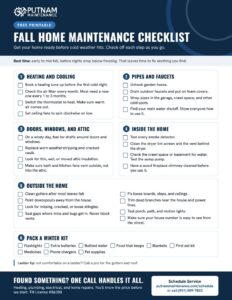
1. Schedule an HVAC Inspection
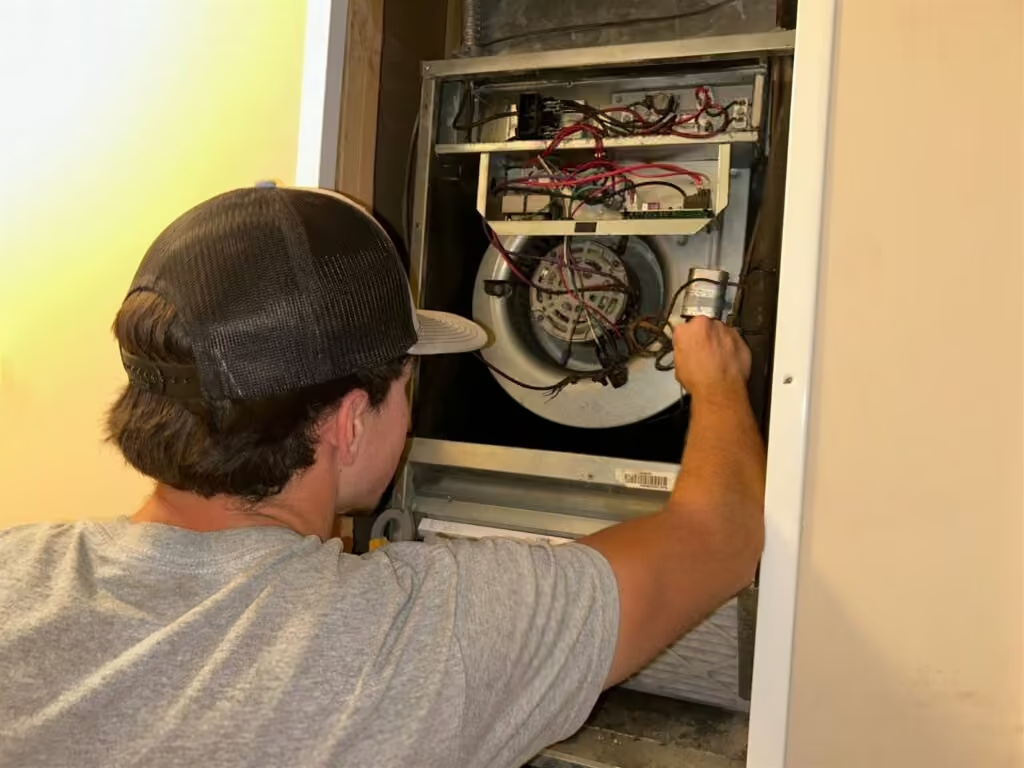
Have your heating system checked before you need it every day. An HVAC pro can look for safety risks, worn parts, airflow problems, and other issues that could affect how well it runs.
A fall heating tune-up from Putnam Maintenance includes:
- Replacing the air filter
- Cleaning the indoor coil and the flame sensor
- Checking the blower and its motor
- Looking over the heat exchanger for cracks, holes or rust
- Checking the burners and the gas pressure
- Making sure the flue vent and fresh-air intake are clear
- Testing the safety switches and the ignitor
- Tightening the electrical connections
- For heat pumps: checking heating mode and the defrost cycle
- Measuring the air temperature to confirm the system heats properly
Booking early gives you time to finish any repairs the tech suggests before the cold sets in. It also makes it less likely you’ll find a heating problem on the first freezing night of the season.
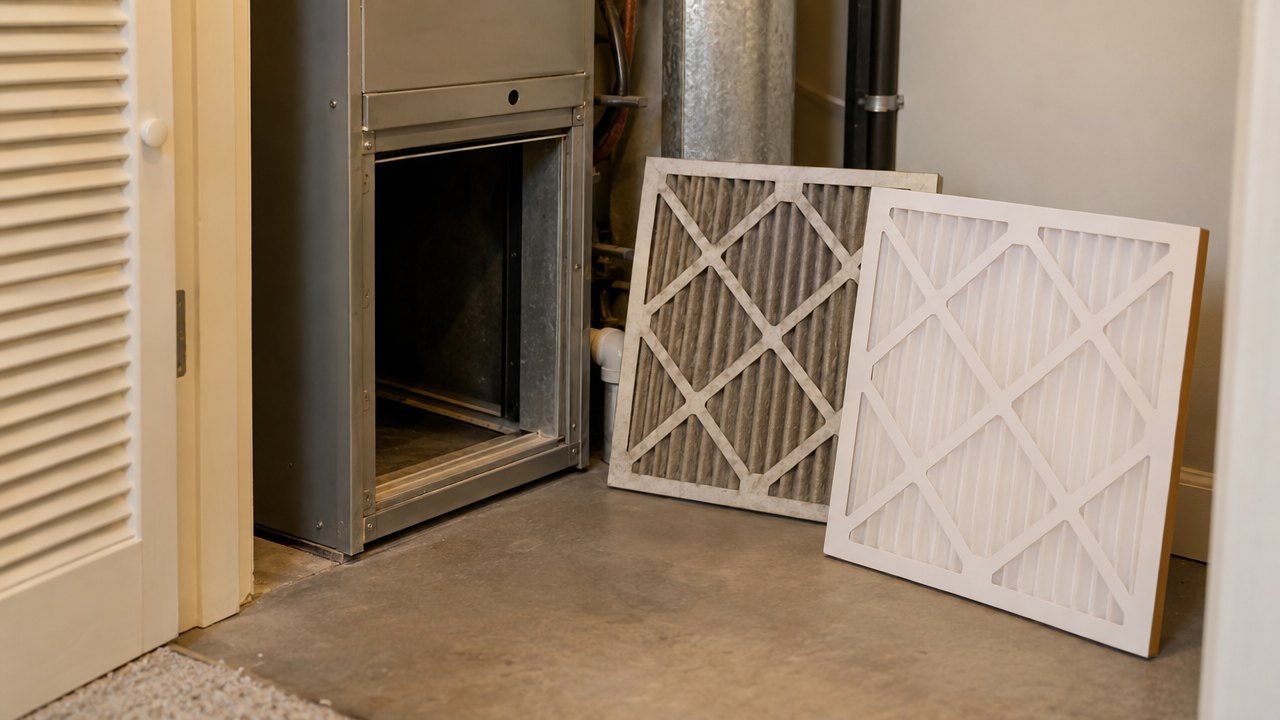
2. Replace the HVAC Filter
A dirty air filter restricts airflow and forces your heating system to work harder. This can reduce efficiency, increase energy use, and place unnecessary stress on HVAC components.
Check your filter every month during heating season. Most filters should be changed every one to three months. Homes with pets, allergies, remodeling dust, or heavy system use may need to change them more often.
Always use the filter size and efficiency rating recommended for your system. A filter that is too restrictive may create airflow problems, even when it is new.
3. Test the Thermostat
Switch your thermostat from cooling to heating before cold weather arrives. Raise the temperature several degrees and confirm that the system starts, produces warm air, and completes a normal heating cycle.
If the system does not respond, runs constantly, or produces unusual noises, schedule an inspection.
Fall is also a good time to look at your thermostat schedule. Turning the heat down a little while no one is home or while everyone sleeps may help you use less energy. Avoid big swings, though. They can make the system work harder when it’s time to warm the house back up.
4. Inspect Doors and Windows for Drafts
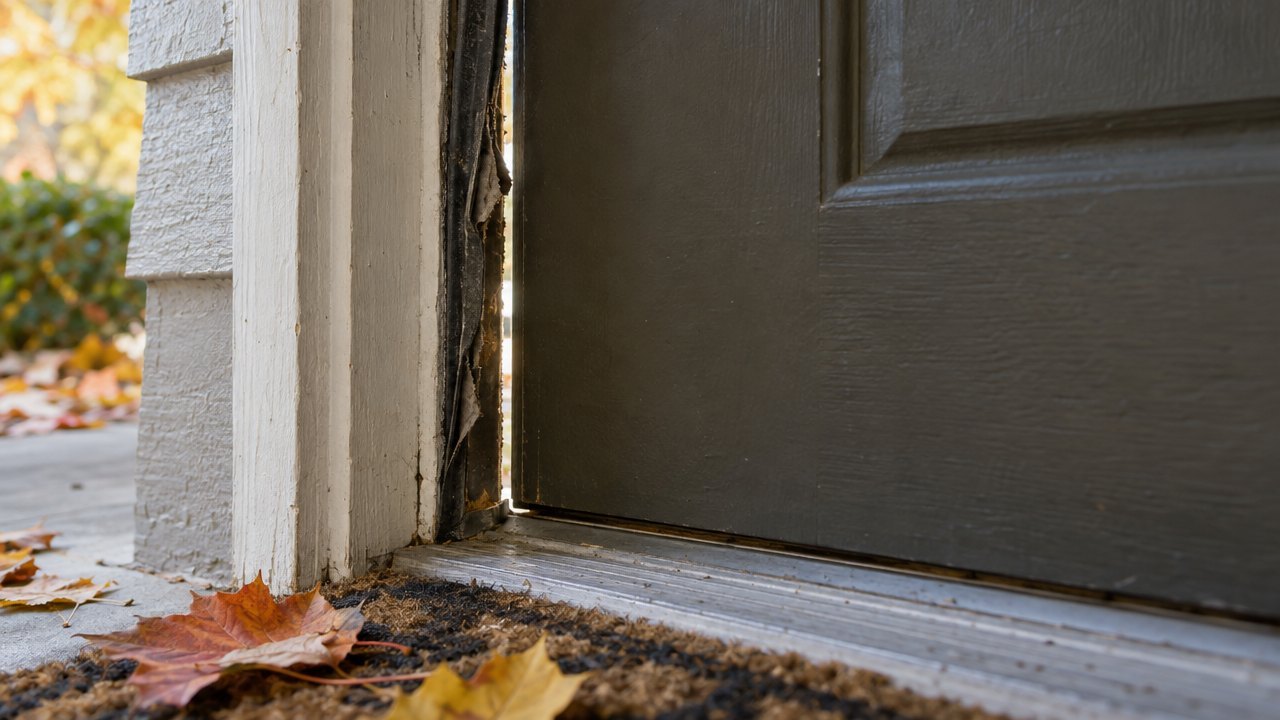
Air leaks around doors and windows can make rooms uncomfortable and increase heating costs. Check for worn weatherstripping, damaged caulk, loose frames, and visible gaps.
On a windy day, move your hand slowly around the edges of windows and exterior doors to feel for incoming air. You can also look for moving curtains or visible daylight around door frames.
Depending on the problem, you may need to:
- Replace damaged weatherstripping
- Apply fresh exterior-grade caulk
- Install a door sweep
- Adjust door hinges or latches
- Repair damaged trim
- Seal gaps around utility penetrations
Do not permanently seal windows that are intended to open or block required ventilation.
5. Clean Gutters and Downspouts
Falling leaves, twigs, and roofing debris can quickly clog gutters. When rainwater cannot drain correctly, it may overflow near the foundation, damage fascia boards, stain siding, or contribute to moisture problems.
Clean gutters after most of the leaves have fallen. While cleaning, check for loose fasteners, separated seams, sagging sections, corrosion, and damage.
Make sure downspouts are securely attached and direct water away from the foundation. Extensions may be needed if water collects next to the home.
If you are not comfortable working from a ladder, hire a professional. Ladder falls are a serious risk, especially when gutters are wet or filled with slippery leaves.
6. Inspect the Roof
Your roof is the first line of protection against rain, wind, and winter weather. Look for missing, cracked, curling, or loose shingles. Check flashing around chimneys, vents, skylights, and roof transitions.
From inside the attic, inspect for:
- Water stains
- Damp insulation
- Visible gaps
- Mold or mildew
- Signs of daylight
- Damaged roof decking
A small roof leak can cause substantial damage when it goes unnoticed. Have suspicious areas inspected before winter storms and repeated freezing temperatures make the problem worse.
7. Protect Outdoor Faucets and Plumbing
Disconnect garden hoses before freezing weather. A connected hose can trap water inside the faucet and pipe, increasing the risk of freezing and damage.
Drain outdoor faucets when possible and install insulated faucet covers. If your home has a separate shutoff valve for exterior plumbing, close the valve and drain the remaining water according to the system’s design.
Inspect exposed plumbing in garages, crawl spaces, utility rooms, and other unheated areas. Pipes may need insulation to reduce the risk of freezing.
Know where the main water shutoff valve is located. Make sure everyone in the household knows how to use it in case a pipe bursts.
8. Check Smoke Detectors
Heating systems, fireplaces, and portable heaters can raise the risk of fire during colder months.
Test every smoke detector. Change the batteries if needed. Make sure none are past their recommended age. Many smoke alarms should be replaced after about ten years.
Put detectors in the right places, including near bedrooms. Follow the maker’s directions and your current local safety rules.
9. Inspect Fireplaces and Chimneys
If you use a wood-burning fireplace, have the chimney inspected and cleaned by a qualified professional. Creosote buildup, animal nests, damaged liners, and blocked flues can create fire and ventilation hazards.
Check the damper for proper operation and inspect the firebox for cracks or damaged mortar. Use a sturdy fireplace screen and keep combustible materials away from the hearth.
10. Seal Gaps That Allow Pests Inside
Mice, insects, and other pests often look for warm shelter when temperatures drop. Inspect the exterior of your home for openings around siding, vents, pipes, utility lines, doors, windows, and the foundation.
Seal appropriate gaps with materials designed for the location. Larger openings may require metal mesh or professional repair.
Do not block dryer vents, combustion air openings, attic ventilation, or other components that require airflow.
11. Check the Attic and Insulation
Proper attic insulation helps keep heated air inside the living space. Inspect the attic for thin, compressed, wet, or displaced insulation.
Also look for signs of roof leaks, condensation, pests, or blocked ventilation. Bathroom and kitchen exhaust fans should vent outdoors, not into the attic.
Poor insulation or venting can lead to uneven room temperatures, moisture buildup, higher heating bills, and damage to your home. If some rooms always feel colder than others, it may help to have a pro take a look.
12. Inspect the Crawl Space or Basement
Moisture problems often become more noticeable during fall and winter. Check basements and crawl spaces for standing water, plumbing leaks, damaged insulation, musty odors, and signs of mold.
Inspect foundation vents, vapor barriers, sump pumps, and drainage systems. A damaged or missing vapor barrier may allow moisture from the ground to enter the crawl space.
Test the sump pump by following the manufacturer’s instructions. Make sure the discharge line is clear and carries water away from the foundation.
13. Clean the Dryer Vent
Lint buildup can reduce dryer efficiency and create a fire hazard. Clean the lint screen after every load and inspect the vent connection behind the dryer.
The exterior vent flap should open freely while the dryer is operating. If clothes take longer than usual to dry, the dryer becomes unusually hot, or the laundry room feels humid, the vent may need professional cleaning.
Avoid crushed or excessively long vent connections. Use materials approved for dryer exhaust systems.
14. Reverse Ceiling Fans
Many ceiling fans have a switch that changes the direction of the blades. During the heating season, the fan can run clockwise at a low speed to help circulate warm air that has collected near the ceiling.
The correct setting should create gentle air circulation without producing a strong cooling breeze. Turn the fan off before changing its direction.
15. Prepare Outdoor Areas
Inspect decks, porches, steps, railings, and walkways before winter. Repair loose boards, unstable handrails, raised surfaces, and damaged steps that could become more dangerous when wet or icy.
Clean and store outdoor furniture, tools, grills, and equipment. Drain fuel or prepare lawn equipment for storage according to the manufacturer’s directions.
Trim dead or damaged branches that could fall during strong winds or storms. Keep vegetation from touching siding, roofing, outdoor HVAC equipment, or utility lines.
16. Check Exterior Lighting
Shorter days make exterior lighting especially important. Test porch lights, pathway lights, motion lights, and fixtures near entrances.
Replace burned-out bulbs and clean dirty fixture covers. Confirm that house numbers are visible from the street so emergency responders and service professionals can locate the property.
17. Create a Cold-Weather Emergency Kit
Prepare for power outages and winter weather before a storm is in the forecast. Your household kit may include:
- Flashlights
- Extra batteries
- Bottled water
- Shelf-stable food
- Blankets
- First-aid supplies
- Necessary medications
- Phone chargers
- A battery-powered radio
- Pet supplies
Make Fall Maintenance Easier with Putnam Maintenance
Regular maintenance can help you avoid breakdowns, water damage, safety risks, and costly emergency repairs. Did you find a problem during your fall check? Fixing it now is usually easier than waiting for cold weather.
Putnam Maintenance helps homeowners get ready for each new season. We serve Cookeville, Baxter, Algood, and Crossville. We also serve Sparta, Monterey, Livingston, and nearby Upper Cumberland towns. Need HVAC service, plumbing repairs, or electrical work? Need a hand with a home maintenance project? Our team is ready to help.
Schedule Service online at putnammaintenance.com/schedule/ or call (931) 559-7823 to get your home ready for colder weather.
• Pipes and faucets
• Doors, windows, and attic
• Inside, outside, and a winter kit