Key Takeaways
- Start by noting which fixtures are affected, when the symptom appears, and whether water is escaping where it shouldn’t.
- Dripping faucets and running toilets can waste a lot of water over time, and EPA WaterSense describes a food coloring test for toilet leaks.
- Low pressure at one faucet may involve just that fixture, while a sudden drop throughout the house calls for a broader look.
- When several drains slow down or backups keep returning, a shared drainage problem is more likely, so schedule a professional assessment.
A change in water pressure can be the first clue that part of your plumbing needs attention. So can a sink that drains slowly, a toilet that runs on its own, or damp spots near a water heater. These are common home plumbing problems. But they do not all have the same cause, and they do not all need the same fix.
For Tennessee homeowners, the best first step is to figure out which fixtures are affected, when the symptom appears, and whether water is escaping where it should not. That helps you tell a one-fixture problem apart from one in a larger system. That could be shared pipes, drains, pressure control, or the water heater.
This guide covers the signs homeowners notice most, what may be behind them, and safe things you can check. Those checks can help a plumber decide what to do next. This guide can’t diagnose your home from afar. Some problems need testing, access to hidden pipes, or work that only qualified pros should do.
1. Dripping Faucets and Running Toilets
A faucet that keeps dripping after you shut it off may have a worn seal, cartridge, or other part. A toilet that refills now and then without a flush may be leaking water from the tank into the bowl. These problems can seem small, since the water most often goes down a drain and not onto the floor. But over time, they can waste a lot more water than you’d think.
EPA WaterSense lists dripping faucets and worn toilet flappers as common sources of wasted water at home. Its leak guide describes simple checks you can do. One is to watch for faucet drips. Another is to put a little food coloring in the toilet tank and see if the color shows up in the bowl. Follow the agency’s directions, and flush afterward so it doesn’t stain.
Useful first observations: Does the faucet drip continuously or only after use? Does the toilet refill periodically? Is there moisture around the base or behind the tank? A toilet tank leak is different from water escaping around the base, which could affect flooring and require faster attention.
When to call a plumber: Schedule service if a fixture keeps leaking, or if simple care you can safely do yourself has not helped. Call too if water has reached cabinets, walls, or floors. Don’t assume the spot where you see water is where a hidden leak began.
2. Slow Drains and Recurring Clogs
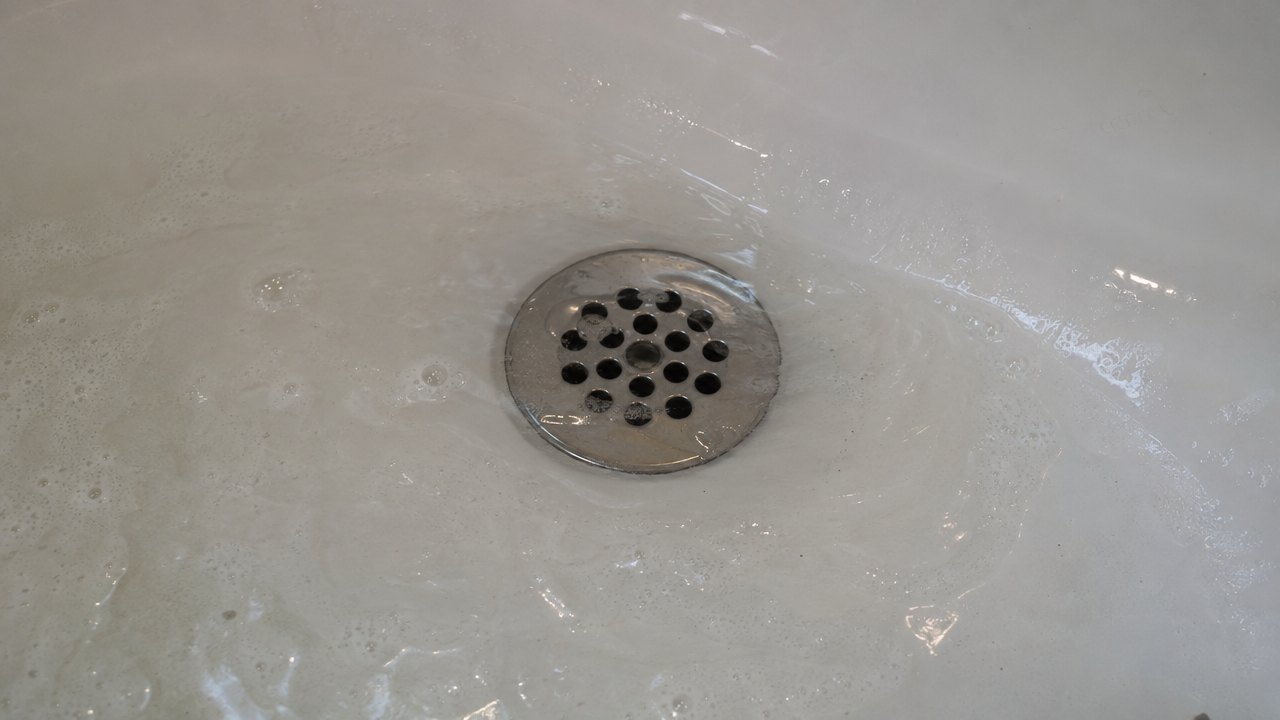
Water that pools in a sink, shower, or tub and drains slowly may point to a blockage near the fixture or farther along in the drain system. Hair, grease, soap scum, food bits, and things that don’t belong in drains can all help cause clogs.
A critical distinction is whether one fixture is affected or several. A single slow bathroom sink may be a local issue. When the bathtub fills as a toilet flushes or multiple fixtures back up together, a shared branch or larger drainage problem becomes more likely.
What homeowners can do safely: Note which fixtures are affected, if the problem is getting worse, and if you smell sewage. Keep grease and things that shouldn’t be flushed out of your pipes. Don’t pour harsh drain chemicals into standing water. Don’t keep using them when you don’t know what the clog is.
When to call a plumber: Call a pro for clogs that keep coming back, several fixtures acting up, wastewater backing up into your living space, or bad smells that won’t go away. Sewage can be a health hazard. Avoid touching it, and do not keep using fixtures that are backing up.
3. Low Water Pressure at One Faucet or Throughout the House
Low water pressure is easier to track down when you know its pattern. Say your kitchen faucet has weak flow, but nearby fixtures work fine. Then the cause may be the aerator, faucet parts, or a valve for that sink that you can reach. If every fixture loses pressure all at once, the search is wider.
Check if the problem affects hot water, cold water, or both. Low flow on hot water only may point to the water heater or the hot water pipes. Low flow on both hot and cold all through the house may point to other causes. In some cases, the water utility or a well system may be part of it.
Useful first observations: Compare a few fixtures without disassembling them. Record whether the change was sudden or gradual, and whether it coincided with nearby work, equipment changes, leaks, or unusual plumbing noises.
When to call a plumber: Arrange an assessment when the pattern affects multiple locations, begins suddenly, or cannot be explained by a simple fixture issue. Avoid adjusting pressure regulators or dismantling pressurized plumbing as a guessing exercise.
4. Unexpectedly High Water Bills
An increase in water use can have an ordinary explanation: guests, irrigation, seasonal habits, or a change in occupancy. But a hidden leak, running toilet, or faulty irrigation connection can also cause unexplained use.
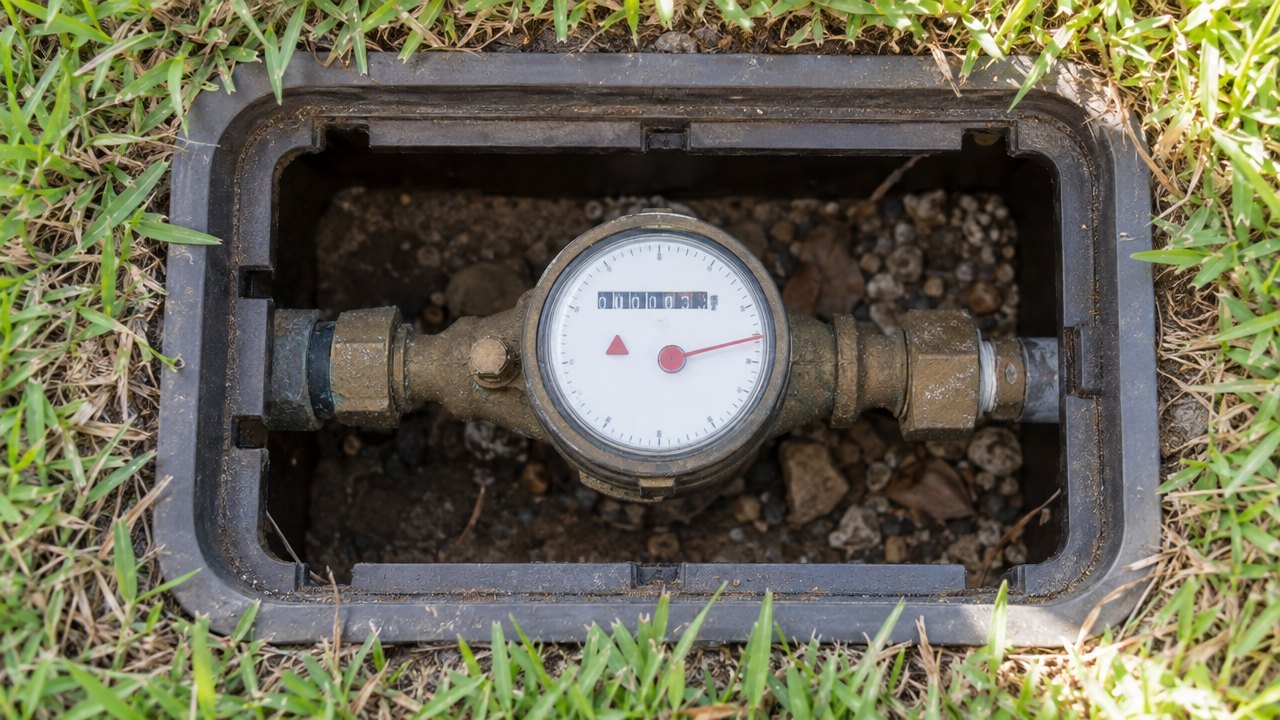
A quick look at your water meter can give you a clue. EPA WaterSense suggests checking the meter before and after a stretch of time when no water is being used. If the meter moves, you may have a leak. But appliances that run on their own, water softeners, and other systems can make the reading less clear. The test also won’t tell you where the leak is.
Look at the whole picture. Has the meter reading increased but the house’s daily activities stayed consistent? Does a toilet run unexpectedly? Is a cabinet floor damp? Are there wet patches in the yard without a clear reason? These details help the plumber narrow the search.
When to call a plumber: Call a pro to find the cause if you can’t find the source yourself. Call too if water use keeps going up, or if damp spots point to a hidden leak. A leak can also cause damage that has nothing to do with the size of your bill.
5. Leaks Beneath Sinks or Around Appliances
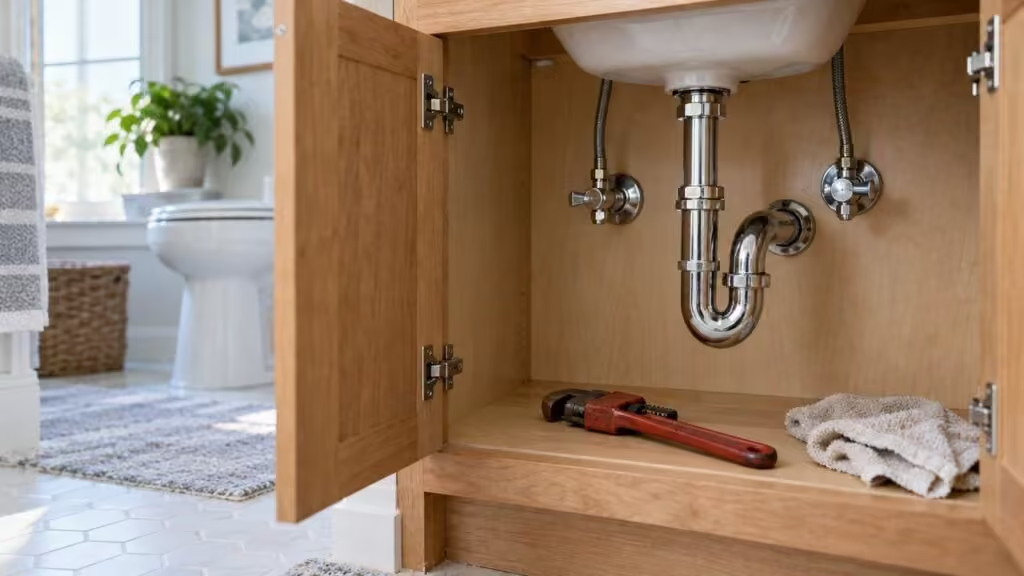
Water under a sink may come from a supply line, the faucet, a drain fitting, the dishwasher hookup, or even a spill from things stored there. If the area gets wet again after you dry it, pay attention. Cabinet materials can swell and break down.
Check carefully from a safe position. Notice whether the cabinet is wet only after the faucet runs, when the dishwasher drains, or even when everything is turned off. Do not reach toward electrical components or move heavy appliances in an effort to trace the leak.
When to call a plumber: Active dripping, repeated unexplained moisture, or damage to surrounding materials warrants service. An accessible shutoff may limit water from a confirmed supply leak if it can be operated safely. A drain leak may require stopping use of the fixture instead.
6. Water Heater Problems
When your hot water stops being reliable, the water heater may be the cause. But that does not always mean the whole unit has failed. The type, size, fuel, controls, how much hot water you use, and how it was put in all affect how it works.
A tank heater can run out of hot water when a lot of hot water is used at once. A tankless heater has a top limit on how much it can heat at a given flow rate and temperature rise. Both kinds can have problems with their parts or controls. Noises, shutting off again and again, new error codes, leaks, and corrosion you can see all deserve attention.
What to note: Is the temperature fluctuating at every fixture or just one shower? Is the heater showing an error message? Is the floor near it wet? What is the manufacturer and model? Those observations help a qualified professional choose the appropriate diagnostic steps.
When to call a plumber: Contact a qualified service provider for leaks, repeated shutdowns, unexplained temperature changes, or safety concerns. Do not open gas or electrical compartments, change combustion settings, or tamper with safety devices.
7. Unusual Plumbing Sounds
Plumbing makes some noise as valves open, water moves, and equipment runs. That’s normal. Changes like loud banging, high-pitched sounds, gurgling that won’t stop, or rattling can give you clues. They can point to how the water flows, the pressure, how a fixture works, and the state of your drains.
For example, a noise after a washing machine shuts off is different from gurgling in a drain when another fixture runs. The sound itself does not identify the exact problem, but when it occurs is valuable information.
Useful first observations: Record the fixture, time, frequency, and other symptoms. Do not add improvised clamps, pressure devices, or pipe modifications before a professional assessment.
When to call a plumber: New noises that won’t go away deserve a pro’s look. That goes double when they come with leaks, pressure changes, or drain problems. A technician can tell if the system needs to be fixed, adjusted, or handled another way.
8. Frozen or Burst Pipes After Cold Weather
Not every pipe in a Tennessee home faces the same risk of freezing. Risk goes up with a mix of low temperatures, how long the cold lasts, drafts, and pipes in exposed spots. Pipes near an outside wall, in a garage, or in an unheated crawlspace may be more exposed than pipes in the heated part of the home.
A faucet that stops flowing during freezing weather could indicate a frozen supply line, but there are other possible causes of low flow. A frozen section may also leak when thawing occurs. Never use an open flame or other unsafe heat source to investigate or warm piping.
When to call a plumber: Call a pro if you think a pipe is frozen and you can’t reach it, or if it is cracked, leaking, or cutting off water you need. If a pipe bursts, put safety first. Use a shutoff you know and can reach, if it is safe to do so. Do not go near water that is touching live electrical equipment.
Preventing freezing and responding after a pipe has frozen are different tasks. Putnam Maintenance’s planned detailed guides address both.
9. Sewage Odors and Drainage Problems
A sewer smell that won’t go away can come from more than one place. It could be a drain trap, venting, a connection, or a drain problem farther down the line. The smell alone does not tell you the cause. Don’t use cleaning products to cover up a smell that keeps coming back.
Pay attention to whether the odor appears at one fixture or several, whether it follows a specific appliance cycle, and whether there is unusual gurgling or wastewater backup. Those details matter for diagnosis.
When to call a plumber: Get it checked if a smell won’t go away and you can’t explain it, or if drain trouble keeps coming back. If sewage gets into your living space, stop using the affected fixtures. Keep people and pets away from the contaminated water until you have set up help from a pro.
If a smell could involve natural gas rather than sewage, leave the area and contact the utility or emergency services. Do not attempt to identify a suspected gas leak by operating switches or appliances.
10. Plumbing That Deteriorates or Repeatedly Needs Repairs
An older plumbing system does not always need to be fully replaced. Its condition depends on the materials, how it was put in, past repairs, what your water is like, use, and exposure. But some signs are reasons to have the whole system checked instead of treating each problem as a one-off. Those signs include leaks that keep happening, corrosion that won’t go away, ongoing drain problems, and changes made without good planning.
A pro may check the materials they can see, how big the problems are, water pressure, connections, and whether fixing just the problem spots makes sense. A choice to replace should be based on what they find and what you will likely need later. It should not be based only on the age of the house.
A plumbing check is also useful before a big remodel. If cabinets, floors, or finished walls are already being opened for other work, plan a plumbing check at the same time. It may save you from redoing work later.
A Quick Guide to Plumbing Urgency
| Symptom | What it often means for next steps |
|---|---|
| Active flooding or burst pipe | Limit damage from a safe location and arrange urgent professional help. |
| Sewage backing into a room | Avoid contamination and seek urgent assessment and appropriate cleanup. |
| Water near electrical equipment | Keep away and obtain qualified emergency assistance. |
| Persistent drip or running toilet | Schedule a repair; check for surrounding material damage. |
| One slow drain | Monitor whether it clears or recurs; arrange diagnosis if persistent. |
| Several slow drains or recurring backups | Seek a professional drainage assessment. |
| Sudden whole-house pressure change | Investigate promptly with a plumber and, if appropriate, the water provider. |
| Inconsistent hot water | Note equipment details and seek diagnosis if the cause persists or safety is involved. |
This guide helps with initial judgment. A plumber needs to evaluate the actual system before confirming the cause.
What to Tell a Plumber Before a Service Appointment
A useful description includes the symptom, which fixtures are affected, when it started, and whether it changes with use. Add photographs when safe. If a water heater is involved, the make and model are helpful. If multiple drains interact, describe the sequence. If the problem began after a freeze, renovation, or appliance installation, mention that timing.
Ask the pro to tell you what they know for sure and what is only a possible cause. Ask them to explain your repair choices, name any inspections you need, and make clear what the estimate covers. Good technical advice often starts by ruling out what the problem is not.
The Bottom Line for Homeowners
A plumbing sign tells a pro more when you describe its pattern, where it is, and how bad it is. One faucet losing pressure is not the same as low pressure all through the home. One slow sink is not the same as several fixtures backing up. A small drip you can see is not the same as hidden water damage or a pipe that has burst.
Putnam Maintenance can help homeowners discuss suspected plumbing problems and arrange the appropriate next steps for confirmed services. Schedule Service through the company’s official booking channel when symptoms require professional evaluation.