Key Takeaways
- Water freezes at 32°F, but no single outdoor temperature tells you when every home’s pipes will freeze.
- The length of a cold spell, insulation, airflow, pipe location, and whether water is moving all affect whether a pipe freezes.
- Check crawlspaces, garages, exterior walls, and outdoor faucets before a cold snap, since those areas get less heat or more outside air.
- If you’ll be away during cold weather, leave your heat on and set it no lower than 55°F.
Water freezes at 32°F (0°C) under normal conditions. But there is no one outdoor temperature at which every home’s pipes will freeze. An exposed pipe in a drafty crawlspace does not face the same cold as a pipe surrounded by heated indoor air. The length of a cold spell matters. So do insulation, airflow, where the pipe is, and whether water is moving.
For homeowners in Cookeville and the Upper Cumberland, the practical question is not just How low will the temperature go? It is Which pipes could be exposed to sustained freezing conditions, and how can those areas be protected before a freeze?
A short dip below 32°F may not freeze a well-protected line. Prolonged cold can create serious risk in an unheated, windy or poorly insulated location. Treat the forecast as a reason to inspect vulnerable areas, not as a guarantee that a particular pipe will or will not freeze.
Why Outdoor Temperature Is Only Part of the Answer
Water inside a pipe loses heat to whatever is around it. How fast that happens depends on a few things. These are what the pipe is made of, how wide it is, the temperature around it, cold air moving past it, and how much heat comes from nearby rooms.
Consider two otherwise similar homes. One has water lines routed through a conditioned utility room. The other has a section of supply piping in an unheated garage, with outside air entering around a wall penetration. Both houses face the same forecast, but the exposed garage section may cool much more rapidly.
Duration matters. A longer period of low temperature allows more heat to leave exposed plumbing. Location matters. Pipes near poorly sealed exterior walls and unheated spaces face different risks from pipes in insulated, conditioned areas. Drafts matter. Cold air moving across a pipe can accelerate heat loss.
That is why a generic warning that pipes ‘freeze at 20 degrees’ should not be understood as a universal threshold. A rule of thumb might alert someone to risk, but it cannot replace an evaluation of the particular home.
Which Household Pipes Are Most Vulnerable?
The first areas to consider are those that receive less heat or have more exposure to outside air.
Plumbing in crawlspaces and basements
Some crawlspaces are closed in and insulated. Others let in a lot of outside air. Pipes that run through a crawlspace with no heat may be at risk. This is most true near vents, openings, and holes that aren’t sealed. Basements can have pipes at risk too, if they run along cold outside walls or near openings.
Homeowners should not enter a crawlspace that is flooded, structurally unsafe, or otherwise hazardous. If the area is difficult to reach, have a qualified professional inspect it.
Outdoor faucets and hose connections
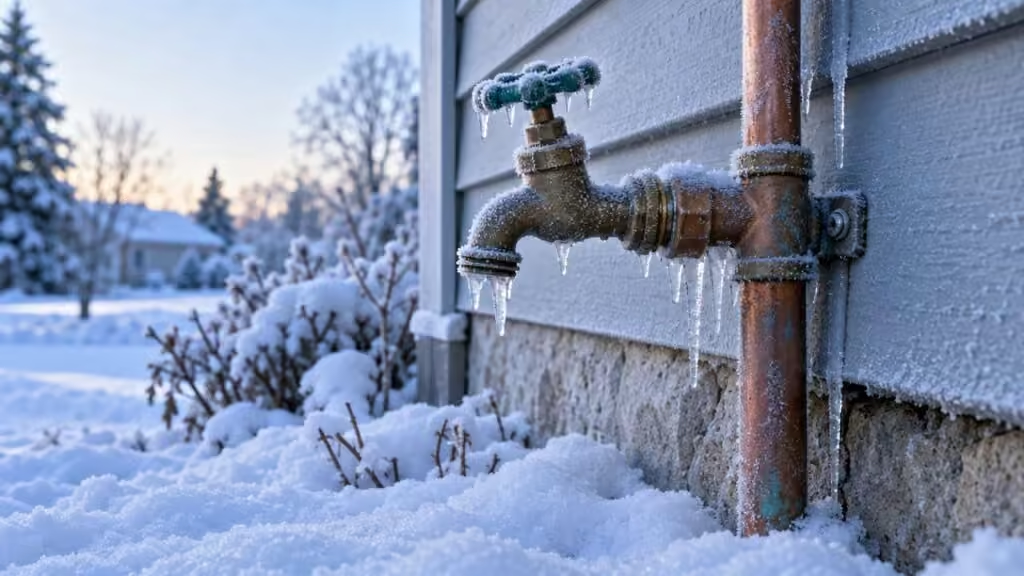
A garden hose left hooked up can make it harder for some outdoor faucets to drain. The right way to winterize depends on the type of hose bibb (outdoor faucet), any irrigation equipment, and how the line was put in. Take hoses off the way the maker says to. Then find out if the system needs a pro to winterize it.
Garage supply lines
Pipes near garage walls, ceilings, or unfinished areas may be left in the cold. If there are pipes in the garage, keep the garage door closed. That helps hold in some warmth. But it does not make a garage with no heat the same as a heated room in your home.
Pipes inside exterior walls
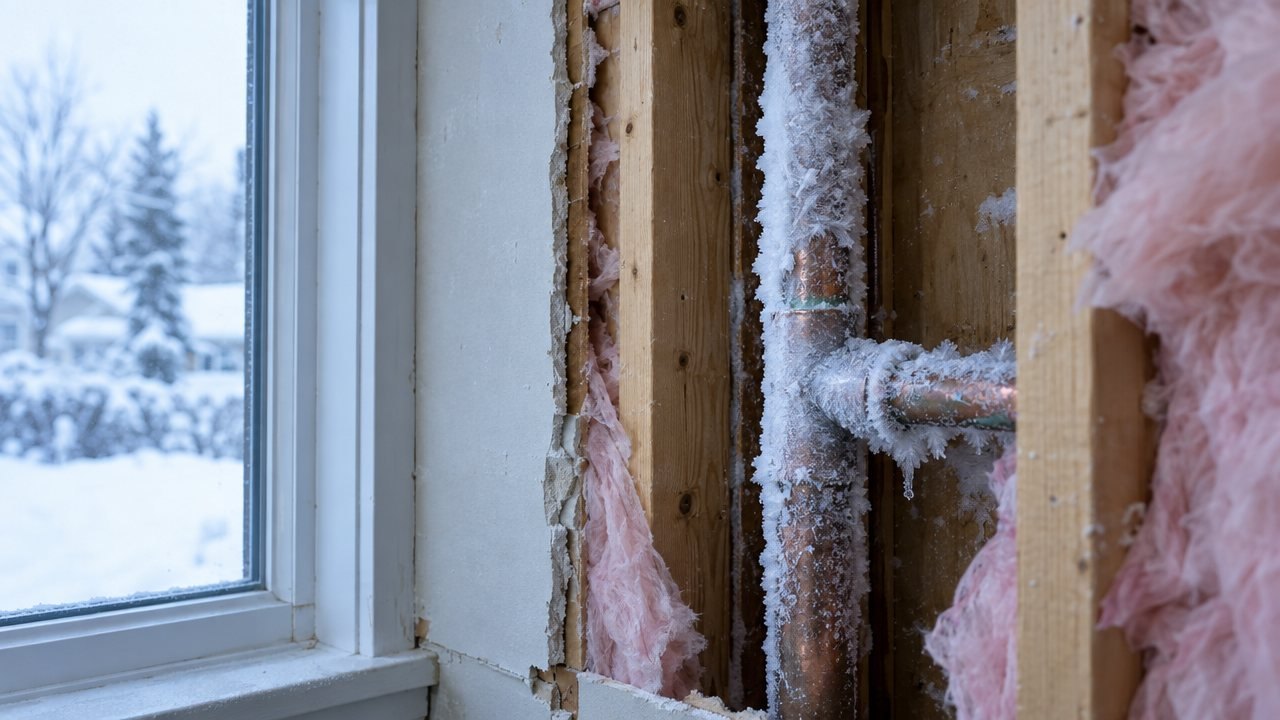
A pipe can be inside a house yet still sit in a cold wall cavity. Poor insulation, air leakage, and long periods of cold can change the temperature around it. Cabinets on exterior walls can also restrict how much heated room air reaches nearby plumbing.
Does Pipe Material Make a Difference?
Each kind of pipe carries heat in its own way and handles freezing in its own way. The amount of insulation, how much pipe is exposed, how it was put in, and the product’s rating matter too. Don’t treat any common pipe material as safe from freeze damage.
Water expanding as it freezes can build pressure in a restricted section of plumbing. Damage may occur at a different point along the pipe from where the ice forms. A pipe can also appear intact while frozen, then leak when it thaws and full flow returns.
The safest approach is to protect vulnerable supply lines regardless of their material. Avoid relying on claims that a certain pipe type can always tolerate freezing.
How Long Does It Take a Pipe to Freeze?
No set timeline works for every pipe. You can’t tell how long a pipe will take to freeze from the outdoor temperature alone. How fast it cools depends on how warm it was to start, how wide it is, its insulation, the air moving around it, and how long it’s in the cold.
If the forecast calls for several hours below freezing, think about your pipes at risk. Long, windy cold spells are a bigger risk for spots that aren’t well protected. Keep in mind that a closed-in space can be slow to catch up with the outdoor temperature. So a pipe there may stay cold even after the air outside starts to warm.
Don’t try to guess an exact number of hours. Instead, focus on two things. Are your pipes protected from cold that lasts? And is your heat keeping the home warm enough?
Warning Signs of a Possible Frozen Pipe
A sudden loss of flow at one fixture during cold weather is a common clue. There may be only a trickle of water when a faucet is opened, while fixtures served by other lines still work. Inaccessible piping may be affected even when no ice is visible.
Other clues can include an unusual pressure change or a new leak appearing during or after a freeze. Not every no-flow condition means a pipe has frozen. Supply interruptions, closed valves, and fixture issues can cause similar symptoms.
If a pipe may already be frozen, switch from prevention to safe response. Do not use torches, open flames, or makeshift fuel-burning heaters. Stay clear of electrical hazards. Find a shutoff valve you can safely reach. Get qualified help if you don’t know where the pipe is frozen, or you can’t safely reach it. The separate Putnam Maintenance guide on frozen pipes explains these choices in more detail.
How to Reduce Pipe-Freezing Risk Before a Cold Snap
The most effective approach starts before temperatures fall:
- Locate vulnerable plumbing. Find the pipes you can see in garages, crawlspaces, basements, and cabinets on outside walls. Don’t go into unsafe areas to do it.
- Address drafts. Have appropriate gaps and penetrations sealed while maintaining required ventilation for appliances and building systems.
- Protect exposed piping. Use insulation and approved protection products that fit the spot. Follow the maker’s guidance. A plumber can tell you what’s right for pipes that are hard to reach or hard to work on.
- Keep the building heated appropriately. Keep the heat on and take extra steps in severe cold, most of all if you travel.
- Disconnect outdoor hoses where appropriate. Follow what your faucet, irrigation, and plumbing system need. Don’t assume every outdoor faucet is the same.
- Know the shutoff location. A homeowner who knows how to stop an accessible supply safely may be able to limit damage if a pipe leaks.
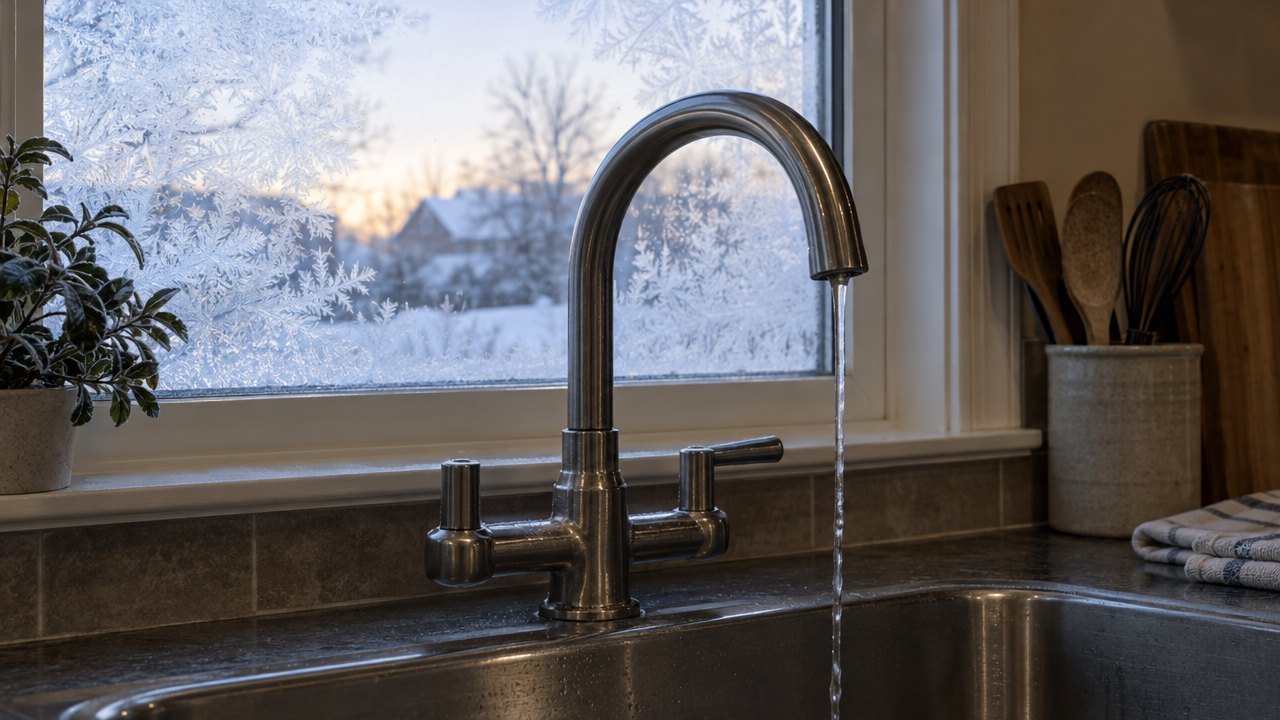
You can also open cabinet doors so warm air can reach pipes at risk. If you do, keep harmful cleaning products put away from children. Letting an exposed faucet drip in severe cold may help in some cases. Think about your local water rules too, and still protect the pipe itself.
What If the Home Will Be Empty During Freezing Weather?
Long trips add risk because no one may notice a leak. Before you leave, find any pipes at risk and make sure your heat will stay on. When you travel in cold weather, leave the heat on and set it no lower than 55°F. A home that is built in an unusual way, or has pipes in odd places, may need more steps.
Before a long time away, ask a plumber how to handle your home’s main water supply, water heater, irrigation, and special fixtures. Shutting off the water can limit some kinds of damage. But it does not remove every freeze risk, and it doesn’t change what each piece of equipment needs.
Protect the Pipe, Not Just the Forecast
The temperature at which water freezes is a fact of science. When a certain pipe in your home will freeze is a different question. It depends on how exposed the home is, how it was built, and how long the cold lasts. Learn which of your pipes are at risk, get ready each season, and get a pro’s help for areas that are hard to reach.
For help evaluating exposed plumbing or a suspected freeze problem, contact Putnam Maintenance and Schedule Service through its verified booking channel. If there is active flooding or another immediate danger, prioritize safety and obtain urgent qualified help.
- Find your main water shutoff and make sure it turns
- Disconnect garden hoses from outdoor spigots
- Keep the area around the furnace clear
- Save our number for emergencies: (931) 559-7823